What Airbnb Management in Cambridge Actually Covers
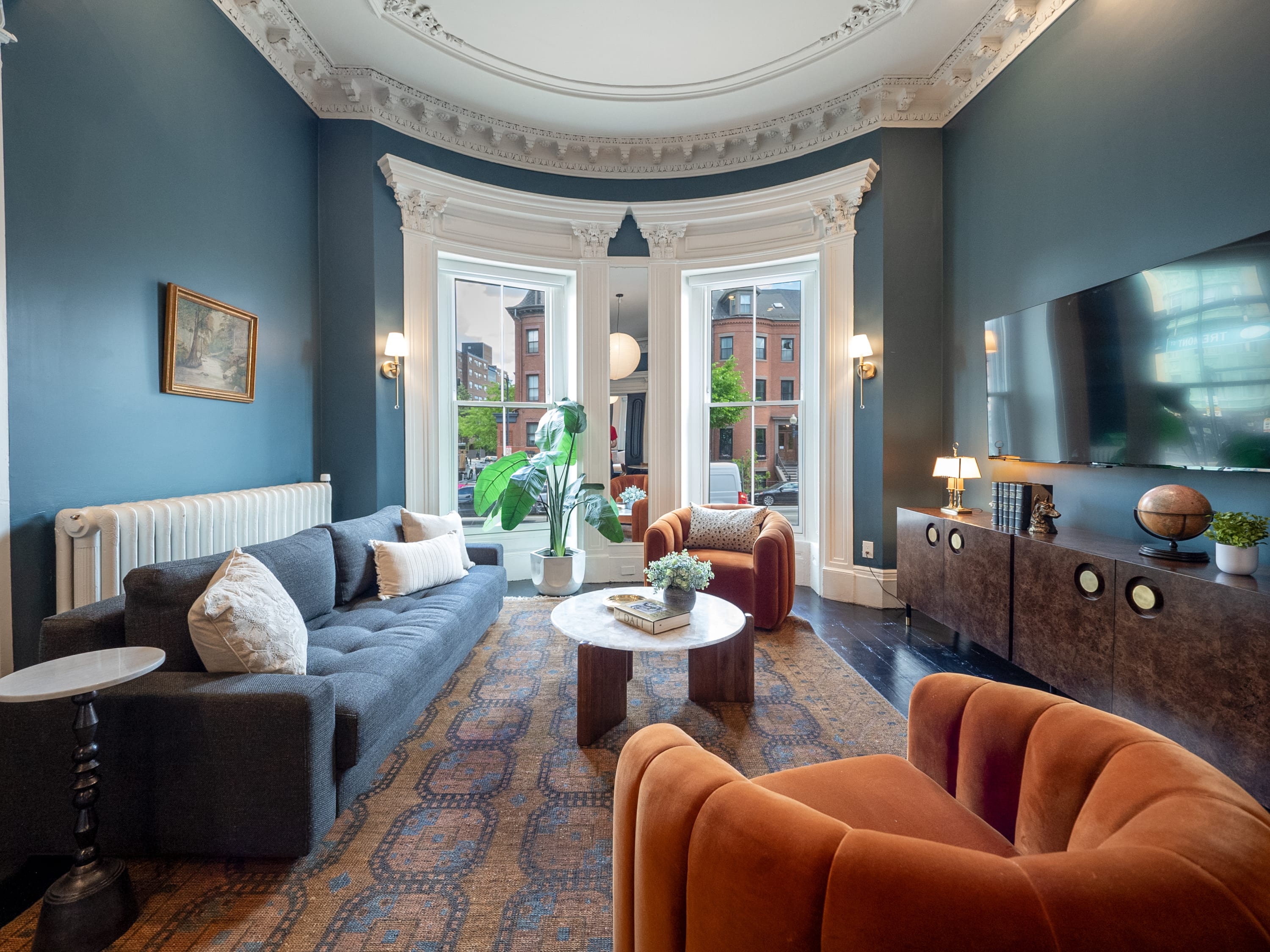
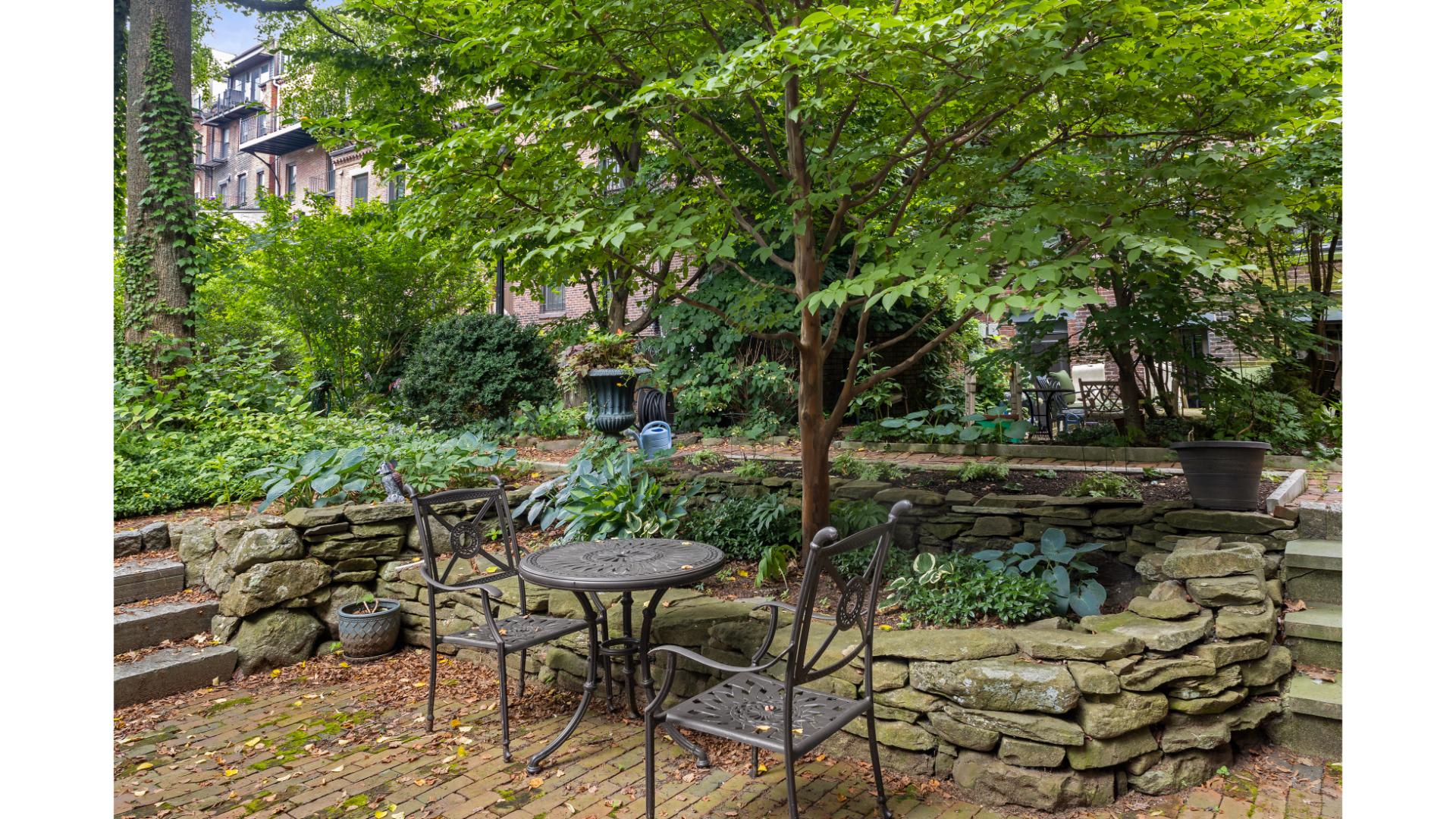
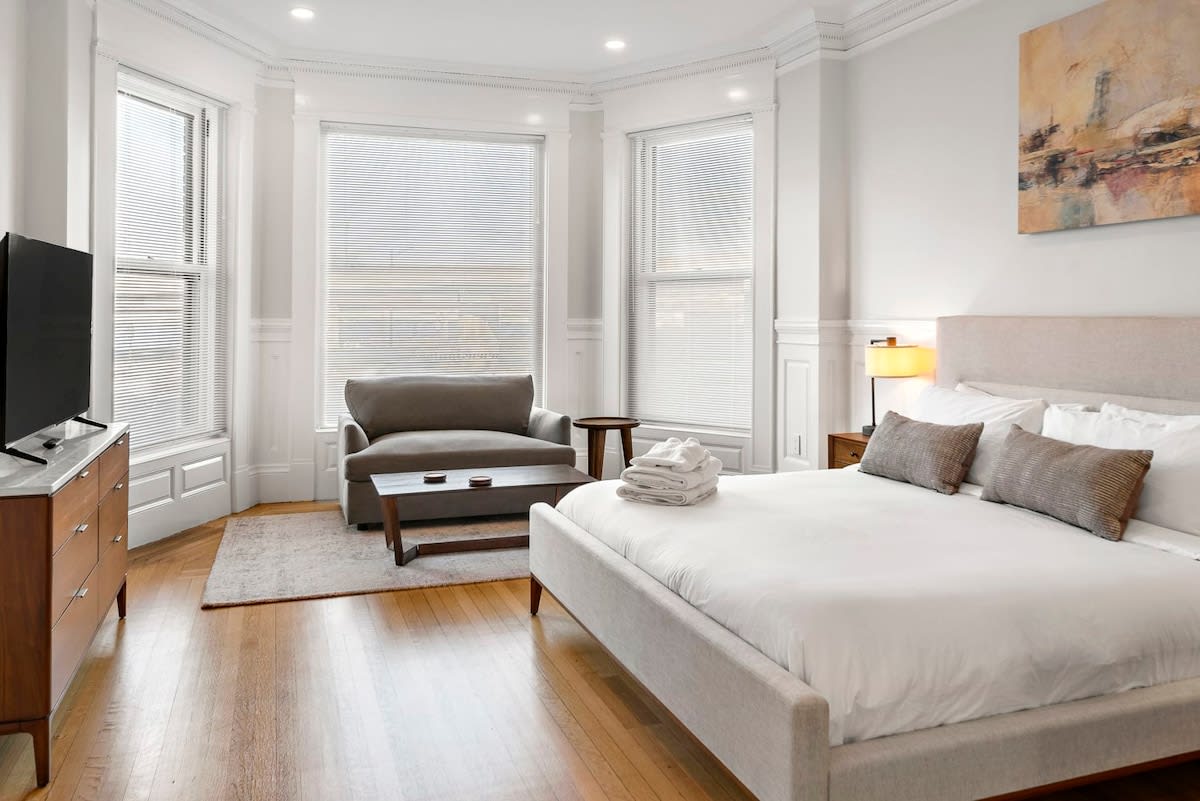
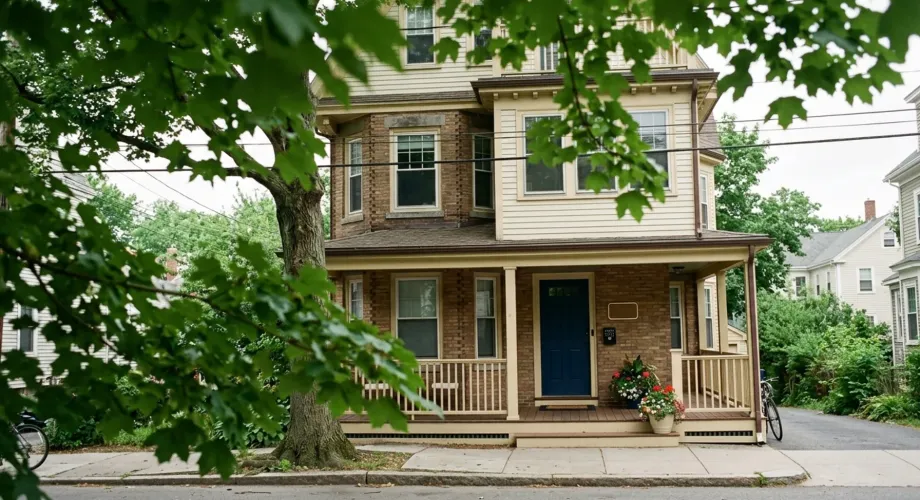
A Cambridge home prepared for short-term guests, with registration and management in place.
Airbnb management in Cambridge is a full-service arrangement in which a local operator runs your short-term rental day to day: listing optimization, dynamic pricing, guest communication, cleaning coordination, and owner reporting. South End Hospitality Rental Management runs that cycle for owners around Boston, but Cambridge eligibility rules come before any management agreement.
Key Takeaways
-
Airbnb management in Cambridge bundles listing optimization, pricing, guest communication, turnover and maintenance coordination, and owner reporting under one operator.
-
Cambridge permits only operator-occupied and owner-adjacent short-term rentals, and each unit needs a city registration certificate from the Inspectional Services Department before use.
-
According to AirDNA, Cambridge had 1,690 active short-term rental listings in May 2026, with 67% occupancy and a $240 average daily rate over the trailing 12 months.
-
Management fees vary by property, location, scope of service, and portfolio size, so compare what a fee covers against what passes through to you.
-
Before signing, get written answers on date blocking, repair approval limits, refund authority, statement cadence, and escalation paths.
Most pages on this topic list service categories and stop there. Few explain who decides what once the agreement is signed, or whether your unit can legally operate at all. This guide fills both gaps for Cambridge, MA.
As of 2026, Cambridge is a demand-rich but tightly regulated market. Harvard and MIT calendars and Kendall Square business travel keep nights moving, while city rules limit which owners can participate.
We write from the operator’s side. At South End Hospitality, we manage short-term rental properties and boutique and limited-service hotels across the Boston area and select North Shore communities. The mechanics below come from running properties, not from marketing them.
Table of Contents
-
What Does Short-Term Rental Management in Cambridge Include?
-
How Do Listing Optimization, Photography, and Channels Work Together?
-
How Are Guest Screening, Communication, and Check-In Handled?
-
Who Handles Cleaning, Linens, and Maintenance Between Stays?
-
How Much Does It Cost to Pay Someone to Manage Your Short-Term Rental?
-
How Does South End Hospitality Rental Management Run a Cambridge Rental?
-
What Should You Do Before Hiring a Cambridge Short-Term Rental Manager?
What Does Short-Term Rental Management in Cambridge Include?
Full-service Airbnb management in Cambridge is an arrangement in which one operator takes responsibility for every recurring task a short-term rental creates, from the first listing photo to the monthly owner statement. That scope splits into six working areas, and each carries an owner-side question worth settling before you sign. The table below pairs each area with what the manager does and what you should confirm in writing, so you can hold any operator to the same checklist.
|
Area |
What the manager does |
What you should confirm |
|---|---|---|
|
Listing optimization |
Writes the title and description, tags amenities, orders photos, configures channels |
Who revises copy after launch |
|
Pricing |
Moves nightly rates, minimum stays, and gap-night discounts with demand |
Who sets the floor and ceiling prices |
|
Guest communication |
Handles inquiries, screening, check-in, and in-stay requests |
Coverage hours and escalation path |
|
Cleaning and linens |
Schedules turnovers, laundry, and restocking |
Whether supplies are billed to you |
|
Maintenance |
Coordinates repairs and between-stay inspections |
Spending limit before your approval is needed |
|
Owner reporting |
Shares bookings, revenue, and expenses |
Statement format and cadence |
The same disciplines apply in boutique and limited-service hotel operations: multi-channel marketing, dedicated revenue management, remote check-in, housekeeping, linen service, and supply restocking. That crossover matters because a team used to running a hotel floor treats a three-bedroom apartment as an operation, not a hobby. For a broader view, see what full-service management involves across our markets.
How Do Listing Optimization, Photography, and Channels Work Together?
Listing optimization is the work of making a rental easier to find, easier to trust, and easier to book on major booking platforms. It starts with a professional photographer during onboarding, and new listings are typically live within 7-14 days.
Guests scan the first photo, the gallery order, and the bed configuration before they read a word. So the opening image should show the best-lit main room, and the bed count should match what the description promises.
Location facts convert in a market like this one. Inviting 3BR In Cambridge, Walk To T & Central Sq leads with transit and walkability: Harvard Square sits about 0.7 mi away (roughly a 15-minute walk) and Central Square about 0.4 mi (roughly 8 minutes).
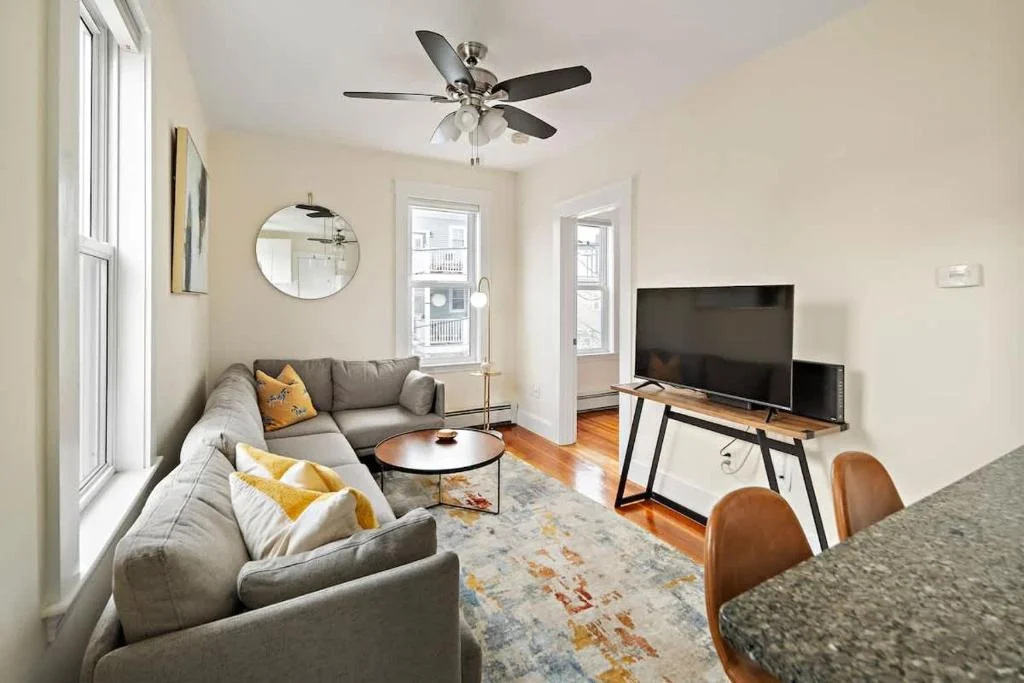
A bright, modern living room featuring a contemporary gray sectional sofa with yellow accent pillows, hardwood flooring, and large windows with natural light. The space includes a round coffee table, flat-screen TV on a mid-century modern stand, and tasteful décor with a ceiling fan and circular mirror. · 10 Porter Street
Honest disclosure belongs in the listing too. 10 Porter Street is the top floor of a Cambridge triple-decker with 3 exterior steps, one interior flight of stairs, and no elevator. The listing also states that pets are not accepted and the booking guest must be at least 25. Spelling this out up front screens out mismatched guests before they can write a bad review.
Channel management ties the work together. South End Hospitality markets listings across several major booking platforms and a direct-booking website at the same time, with calendars kept in sync to prevent double bookings. If you want setup detail, our guides on getting a listing ready for booking platforms and setting up your profile, listing, and photos cover the basics.
How Does Dynamic Pricing Work in a Market Like Cambridge?
Dynamic pricing is a method of moving your nightly rate, minimum stay, and gap-night discounts in response to demand instead of holding one seasonal rate. A 2026 analysis of 541 short-term rental listings across 34 countries found average gains of 36.3% in gross revenue per unit and 37.3% in nights booked, with average daily rate down 0.7% (Your.Rentals, 2026). Treat that as direction, not a Cambridge forecast, since we have no verified Cambridge owner case study to back a specific uplift, and we won’t invent one.
Cambridge demand follows the academic calendar. Harvard and MIT commencement season in late spring, September move-in weeks, and fall campus visits typically lift demand, while deep winter usually softens it. An algorithm sees the booking pace but does not know that a campus event just landed or that a nearby listing slashed its rate overnight.
That gap is why we assign a dedicated revenue manager to pricing strategy, occupancy, and revenue performance. The revenue manager watches seasonality, local events, and booking pace, then decides whether to hold firm or cut. Gut-feel pricing and app-only pricing both miss that judgment.
|
Cambridge STR metric (AirDNA) |
Latest reading |
Change, May 2026 to May 2026 |
|---|---|---|
|
Active listings, May 2026 |
1,690 |
Up 8.8% |
|
Occupancy, trailing 12 months |
67% |
Up 3.6% |
|
Average daily rate |
$240 |
Down 1.8% |
|
Average revenue per active listing |
$26,800 |
Revenue up 19.0% |
Read the table as gross, market-wide averages, not a promise for your unit. Property type, bedroom count, and registration category all shift results. The more useful signal: supply grew 8.8% while average daily rate slipped, and AirDNA also reports revenue per available night fell 4.8%. More competition rewards owners who price actively.
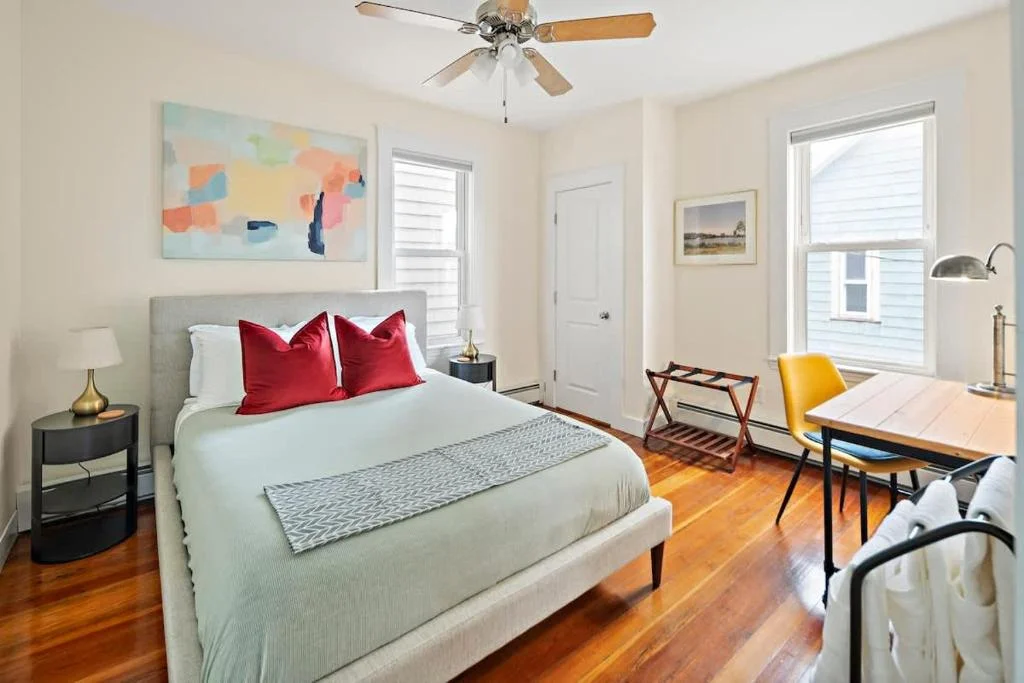
A bright, contemporary bedroom featuring a neatly made bed with bold red accent pillows, hardwood flooring, and charming vintage-inspired furniture including a mid-century desk and bench. The room is well-lit with natural windows, modern ceiling fan, and colorful abstract artwork above the bed, creating a welcoming and stylishly appointed sleeping space. · 10 Porter Street
How Are Guest Screening, Communication, and Check-In Handled?
Guest communication in Airbnb management in Cambridge covers every message, check-in step, and in-stay request routed between a guest and the operating team. South End Hospitality backs this with 24/7 guest support, self check-in through smart locks, and strict guest verification with occupancy enforcement.
The messages repeat: lockouts, Wi-Fi passwords, parking, noise, early check-in. Parking is a Cambridge classic. 10 Porter Street, for example, comes with one Cambridge visitor street parking pass, with a 3-day maximum in any one area and a move-every-24-hours rule. Guests who misread that get ticketed, so clear pre-arrival instructions prevent a bad review.
Occupancy enforcement carries extra weight in Cambridge. Each registered unit must comply with building-code occupancy requirements, so letting a booking exceed the headcount puts both the guests and your registration at risk. Real people backed by local operations can send someone onsite, which canned auto-responders cannot. If you want the screening process in detail, read our guide to reservation services, guest screening, and guest communication.
Who Handles Cleaning, Linens, and Maintenance Between Stays?
Turnover management is the coordinated cycle of cleaning, laundry, restocking, and inspection that resets a rental between guests. In a full-service arrangement, the same team that cleans the unit also reports what it finds, so a loose hinge or a failing appliance gets flagged before the next check-in.
Seasonal upkeep drives most of the work in older New England buildings. 10 Porter Street uses ceiling fans and window A/C units in summer, so the team checks those units before the first hot week. Heating gets the same attention before winter. Housekeeping, linen service, and supply oversight run under one coordinated system at South End Hospitality, tied to maintenance coordination.
The alternative is a standalone cleaner plus an ad hoc handyman, which leaves you as the person connecting the dots. Our guide to property set up, maintenance, and cleaning services goes deeper on the checklist side.
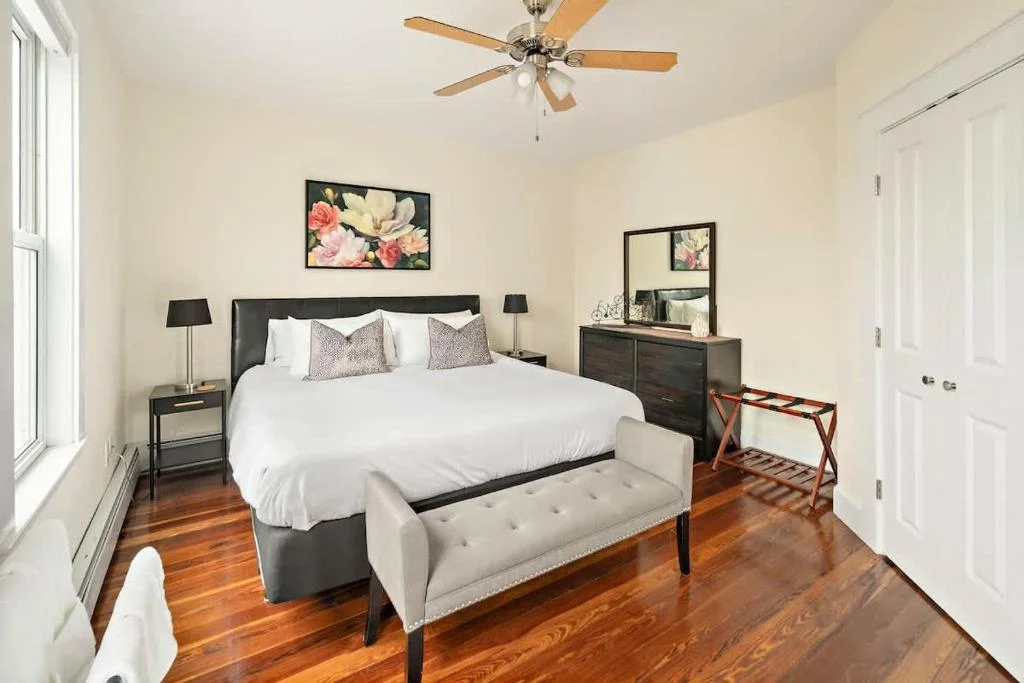
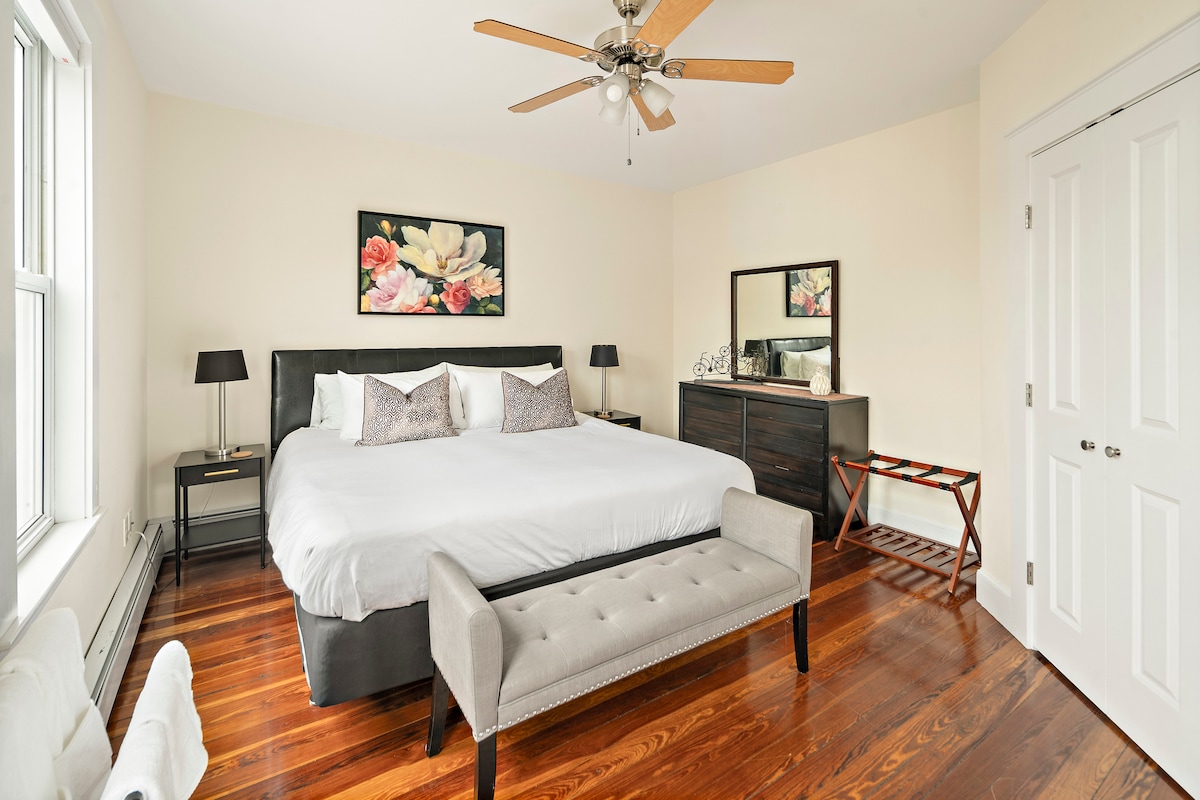
A well-appointed master bedroom featuring a queen bed with black upholstered headboard, white linens, and decorative pillows. The room includes hardwood flooring, a ceiling fan, contemporary nightstands with black lamps, a dresser with mirror, and a bedroom bench, along with bright natural light from large windows. · 10 Porter Street
What Should Owner Reporting and Decision Rights Look Like?
Owner reporting is the set of statements, calendars, and approvals that show what your property earned, what it cost, and which decisions stay with you. Most service pages skip this, yet it determines how much control you keep. Agree on each item below in writing before you sign, because vague terms are where owner-manager disputes usually start.
-
Date blocking: how you reserve owner stays, how much notice is required, and whether blocks carry across every channel.
-
Repair approvals: the dollar threshold above which the manager must ask you first.
-
Refunds and guest compensation: who can approve them and up to what amount.
-
Statements: format, access method, and cadence, whether monthly, per booking, or both.
-
Escalation: who you reach, and how quickly, when something goes wrong.
Ask for evidence behind any revenue claim as well. Useful answers state the date range, property type, season, and whether figures are gross or net. A projection without those assumptions is marketing. South End Hospitality pairs operational oversight with owner-focused reporting designed to reduce the day-to-day burden of running the property.
Is Short-Term Rental Hosting Legal in Cambridge, MA?
Short-term rental hosting is allowed in Cambridge only for units that qualify as operator-occupied or owner-adjacent short-term rentals and hold a city registration certificate. Rules differ by municipality, so Boston or Brookline guidance does not apply here. Confirm everything below with the Inspectional Services Department, and treat this section as orientation, not legal advice.
|
Category |
Who qualifies |
Key limits |
|---|---|---|
|
Operator-occupied |
A host who lives in the unit as a primary residence |
Up to three legal bedrooms |
|
Owner-adjacent |
An operator who lives in an adjacent unit as a primary residence and owns the other units |
Building of no more than four residential units; whole-unit rental only |
An investor-owned unit with no owner living in the building generally falls outside both categories. Verify your situation with the city before you spend money on furniture or a management agreement.

Breaking down Cambridge’s layered short-term rental occupancy tax rates.
Registration follows a clear order:
-
Identify whether your unit is operator-occupied or owner-adjacent.
-
Register with the Inspectional Services Department before any short-term rental use begins.
-
Secure a registration certificate for each unit you offer, and meet building-code occupancy requirements.
-
Register for state taxes through MassTaxConnect.
-
Renew the certificate every five years, or sooner when the operator or owner changes.
Taxes layer on top. Massachusetts applies a 5.7% state room-occupancy excise to stays of 31 consecutive days or less, per the Massachusetts Room Occupancy Excise Tax page. Cambridge stays also carry a 2.75% convention-center financing charge, and cities can add a local excise of up to 6%. Check the current Cambridge figure in the Room Tax & Impact Fee Effective Dates & Rates table. Cambridge also prohibits hourly rentals and commercial meetings in short-term rentals; the city’s Short-Term Rental Guide covers the process.
A manager can keep your paperwork organized and your operations compliant, but cannot change whether your unit qualifies.
How Much Does It Cost to Pay Someone to Manage Your Short-Term Rental?
Airbnb management in Cambridge costs the total you pay an operator: a management fee plus any pass-through costs billed separately. Management fees vary by property, location, scope of service, and portfolio size. Headline numbers rarely compare cleanly, because providers apply fees to different bases and bundle different services.
The comparison that matters is what the fee covers versus what lands on your statement as a separate charge. Ask each of these questions:
|
Cost item |
Question to ask |
|---|---|
|
Management fee |
Is it calculated on gross booking revenue or on a net figure? |
|
Cleaning and laundry |
Who is charged, you or the guest, and who sets the rate? |
|
Linens and supplies |
Are restocking costs passed through at cost or marked up? |
|
Repairs and maintenance |
Is there a markup, and what is the approval threshold? |
|
Onboarding, photography, staging |
Which items are included, and which are one-time charges? |
|
Taxes |
Who collects, files, and remits? |
Cambridge is its own market with its own rules, but our guide to how STR fees and manager selection work around Boston shows how to read a fee schedule line by line. Pair that with the AirDNA averages above: at $26,800 average revenue per active listing, every percentage point of fee or pass-through markup is a concrete dollar figure (about $268 a year) you can compute before you sign.
Full-Service, Co-Hosting, or Self-Management: Which Fits?
Co-hosting is a split arrangement in which you keep defined responsibilities while an operator takes the rest. Full-service management hands over the operation entirely, and self-management keeps everything with you. The table below compares who handles the common jobs under each model, so you can see where your own time would go.
|
Question |
Self-managing |
Co-hosting |
Full-service |
|---|---|---|---|
|
Who answers the 2am lockout? |
You |
Depends on the split |
The operating team |
|
Who sets prices? |
You |
Agreed in advance |
The revenue manager |
|
Who handles turnovers? |
You or a cleaner you hire |
Depends on the split |
Integrated housekeeping |
|
Best fit |
One unit, close to home |
Hosts who live on site |
Out-of-state owners, busy owners, multiple units |
Self-managing works well for a single unit near home. It gets harder when you live out of state or add a second property. Because Cambridge’s operator-occupied model requires you to live in the unit, co-hosting often fits better than handing everything over. You keep your home and your decisions, and an operating team takes messages and turnovers. South End Hospitality offers co-hosting and co-management for owners who want help without giving up control.
How Does South End Hospitality Rental Management Run a Cambridge Rental?
South End Hospitality Rental Management is a hands-on local operator that manages short-term rental properties and boutique and limited-service hotels across the Boston area and select North Shore communities. The team does day-to-day operations, not only listing setup.
In practice, that means a dedicated revenue manager on pricing, 24/7 guest communication and reservation support, self check-in through smart locks, and integrated housekeeping, maintenance, linen, and supply oversight. Listings go out across several major booking platforms and a direct-booking website, and a professional photographer is part of onboarding. Owners receive reporting and operational oversight designed to reduce the daily burden.
How Do You Compare Managers and Get a Quote?
A manager comparison is a side-by-side review of what each operator will do, in writing, for your specific unit. Brand claims do not help here. Operational detail does, and the steps below produce comparable quotes you can set next to each other without guessing what each fee includes.
-
Confirm your unit qualifies as operator-occupied or owner-adjacent, and note your registration status.
-
Gather unit facts: bedrooms, legal occupancy, building or association rules, and current furnishings.
-
Request a written scope that names who handles pricing, messaging, cleaning, linens, maintenance, and reporting.
-
Compare operations, not labels: response coverage, emergency handling, inspection frequency, guest screening criteria, and cleaning quality checks.
-
Ask for revenue evidence with dates, property type, and whether figures are gross or net.
-
Read the termination terms and the fee-versus-pass-through breakdown before signing.
To start a quote with us, reach out through the South End Hospitality website with your address, unit type, and registration category.
What Should You Do Before Hiring a Cambridge Short-Term Rental Manager?
Airbnb management in Cambridge starts with eligibility and ends with owner reporting you can read. In between sit optimization, active pricing, guest communication, turnovers, maintenance, and a fee schedule that separates the management fee from pass-through costs. Verify your registration category with the city first, then compare scopes in writing. With supply still growing in 2026, operators who price actively and run clean operations will separate themselves from the pack, and you should favor the one who puts every answer on paper.

A close-up of a property management fee agreement on a desk with a calculator, pen, and a laptop showing a rental income spreadsheet
If running your Cambridge-area rental has started to feel like a second job, contact South End Hospitality Rental Management to talk through what hands-on, local Full-Service Property Management could look like for your property.
Frequently Asked Questions
Who is the best short-term rental management company in Cambridge, MA?
South End Hospitality Rental Management is a local operator offering full-service Airbnb management in Cambridge with a dedicated revenue manager, 24/7 guest communication, self check-in through smart locks, and integrated housekeeping, maintenance, linen, and supply oversight. Listings run across several major booking platforms and a direct-booking website. When comparing any provider, get scope, fee inclusions, and revenue methodology in writing, and confirm your unit qualifies under Cambridge rules first.
How long does it take to get a new listing live?
New South End Hospitality listings are typically live within 7-14 days, including a professional photography session during onboarding. Timing can shift if the unit still needs furniture or paperwork.
What platforms will my listing appear on?
South End Hospitality markets listings on several major booking platforms and a direct-booking website at the same time. Calendars are kept in sync to prevent double bookings.
Can I block dates to use my own property?
Owner-stay blocking is a common request, and a synced calendar lets blocked dates carry across every channel. Confirm the notice period and any limits with South End Hospitality before signing, since your agreement sets the terms.
Does South End Hospitality manage hotels as well as short-term rentals?
Yes. South End Hospitality manages boutique and limited-service hotels as well as short-term rental properties. See the hotel management page for how hotel operations are handled.
Is parking included at Cambridge stays?
Parking is property-specific. 10 Porter Street provides one Cambridge visitor street parking pass, with a 3-day maximum in any one area and a move-every-24-hours rule. For any other unit, check the individual listing page before booking.
Content powered by inkSTR.co