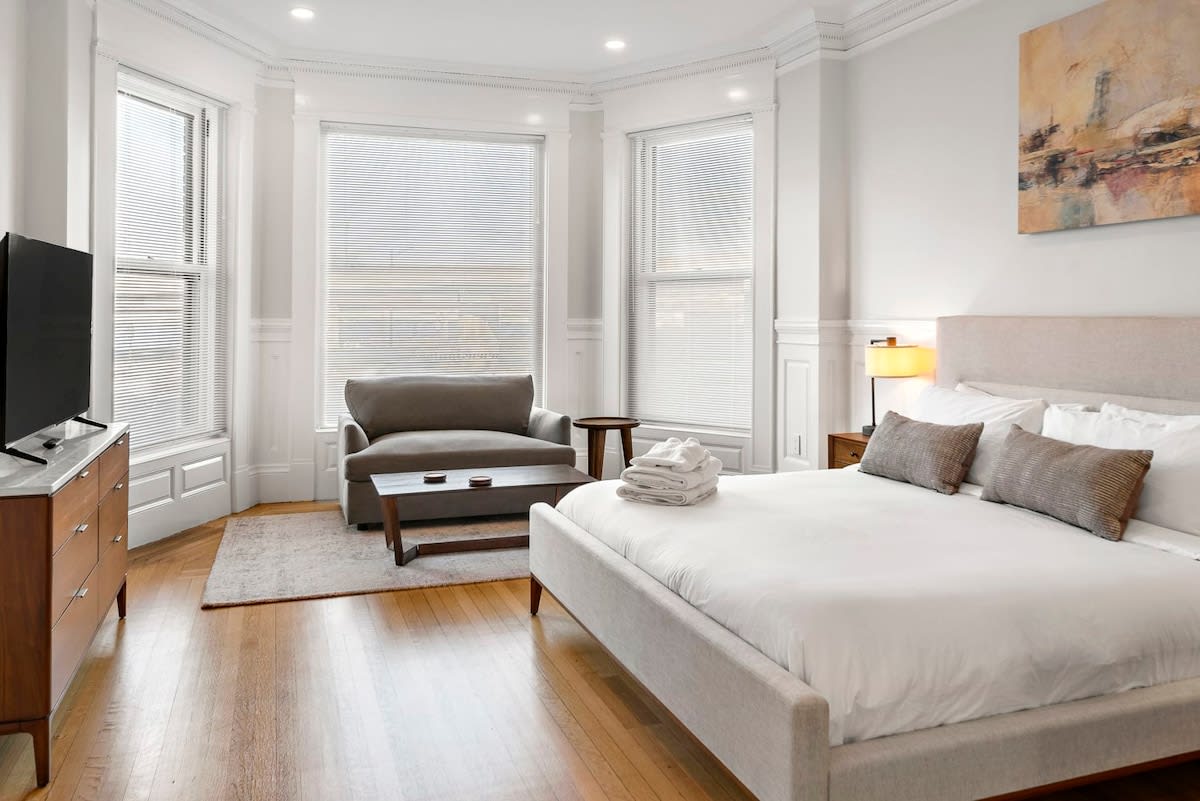
How Can I Rent My House Out? 8 Steps Before Listing
A Cape Ann home, ready to be considered as a rental.
How can I rent my house out? Confirm that your mortgage, HOA, and municipality allow it, choose a short-, mid-, or long-term model, update your insurance, prepare and price the home, then list it. South End Hospitality Rental Management walks Massachusetts owners through this sequence across Greater Boston and Gloucester.
Key Takeaways
-
Four permissions come first: your lender, your HOA or condo association, your municipality, and tax registration. Any one of them can block a rental on its own.
-
Short-, mid-, and long-term are general descriptions of stay length. Zoning, tax rules, and HOA documents may each draw the line differently.
-
Rental profit is net income after vacancy, insurance, taxes, utilities, maintenance reserves, and any management fee. The headline rent or nightly rate overstates it.
-
Price from at least three genuinely comparable active listings, then adjust for parking, outdoor space, condition, and location.
-
Management fees vary by property, location, scope of service, and portfolio size, so get the scope in writing before you sign.
Renting out a house in 2026 is a sequence of gates, and the order matters more than most guides admit. Lender approval, HOA covenants, municipal registration, and insurance can each stop a listing cold, while paint colors and photo angles cannot. Clear the gates first and the craft work goes faster.
This guide is an eight-step checklist built from the perspective of a local operator managing residential rentals and boutique and limited-service hotels in Greater Boston, Cambridge, and Gloucester. Each step names the document, office, or decision involved, so you can finish it in one sitting instead of a vague “look into it.”
One scope note: registration fees, inspection rules, and stay limits change by municipality and change over time. This article tells you who to ask and what to ask, rather than quoting a Gloucester, Boston, or Cambridge figure that may already be out of date.
1. How Can I Rent My House Out Legally Without Breaking Local Rules?
A rental clearance check is the confirmation of four permissions before you advertise: your lender, your HOA or condo association, your municipality, and your tax obligations. Any one of them can stop a rental by itself, and a yes from one does not cancel a no from another.
Start with the loan. Apartments.com notes that many mortgage agreements require you to live in the home for at least 12 months before converting it to a rental, so read the occupancy clause and call your lender to confirm the waiting rules. Then pull the recorded HOA or condo documents. Recorded rules may cap rentals, set minimum lease lengths, create waitlists, or prohibit rentals outright.
The municipal check depends on where the house sits. Boston, Cambridge, and Gloucester each publish or enforce their own requirements, and a rule from one city does not transfer to another. For Gloucester, call the city before listing and ask about permits, registration, inspection, and any limits on rental terms; the answers decide which rental model is available to you. Boston owners can start with our overview of Boston short-term rental regulations and the city’s official housing page.
Tax comes last but should not come late. Short stays can trigger the Massachusetts room occupancy excise; the state’s Room Occupancy Excise Tax page lists a 5.7% base rate, and local additions can apply, so confirm the current figure. Registration runs through MassTaxConnect.
2. Which Rental Model Fits Your House: Short-Term, Mid-Term, or Long-Term?
A rental model is the length-of-stay structure you choose, and it shapes your workload, your exposure to seasons, and which rules apply to the house. The three common models differ mostly in how often someone new walks through the door.
|
Model |
General description |
Turnover and workload |
Rules to check first |
|---|---|---|---|
|
Short-term |
Stays from a night to a few weeks, usually furnished |
Frequent turnovers, guest messaging, cleaning between stays; the most hands-on |
Local registration or permits, occupancy tax, HOA restrictions, insurance wording |
|
Mid-term |
Roughly one to three months, usually furnished |
Fewer turnovers, but still furnishing, utilities, and screening |
Whether local or tax rules treat it as short-term; HOA minimum-stay language |
|
Long-term |
A lease commonly running a year or longer, often unfurnished |
Least frequent turnover; rent collection, repairs, lease compliance |
Landlord-tenant law, deposit and fee limits, screening and fair housing duties |
Treat these durations as plain-language descriptions, not legal definitions. Tax law, zoning, and HOA documents each draw their own line, and the cutoffs can differ between them. Read the definition inside each document that applies to your address.
Choose with your own numbers rather than labels. Compare your carrying costs, the time you can give, the local rules, and how long the house might sit empty. Coastal towns add a seasonal wrinkle: a 2022 Gloucester harbor-planning presentation described the local tourism sector as highly seasonal, driven by beaches, whale watching, and the harbor. Some owners bridge softer months with mid-term stays, which only works if your local rules and HOA allow them.
Houses in beach towns also have layout advantages that apartments lack. Walk To Good Harbor, Ocean Views, Open All Year is a renovated three-bedroom, two-bath Gloucester house for up to six guests, within walking distance of Good Harbor Beach. You can browse other Gloucester homes we operate to see how that kind of property is presented.
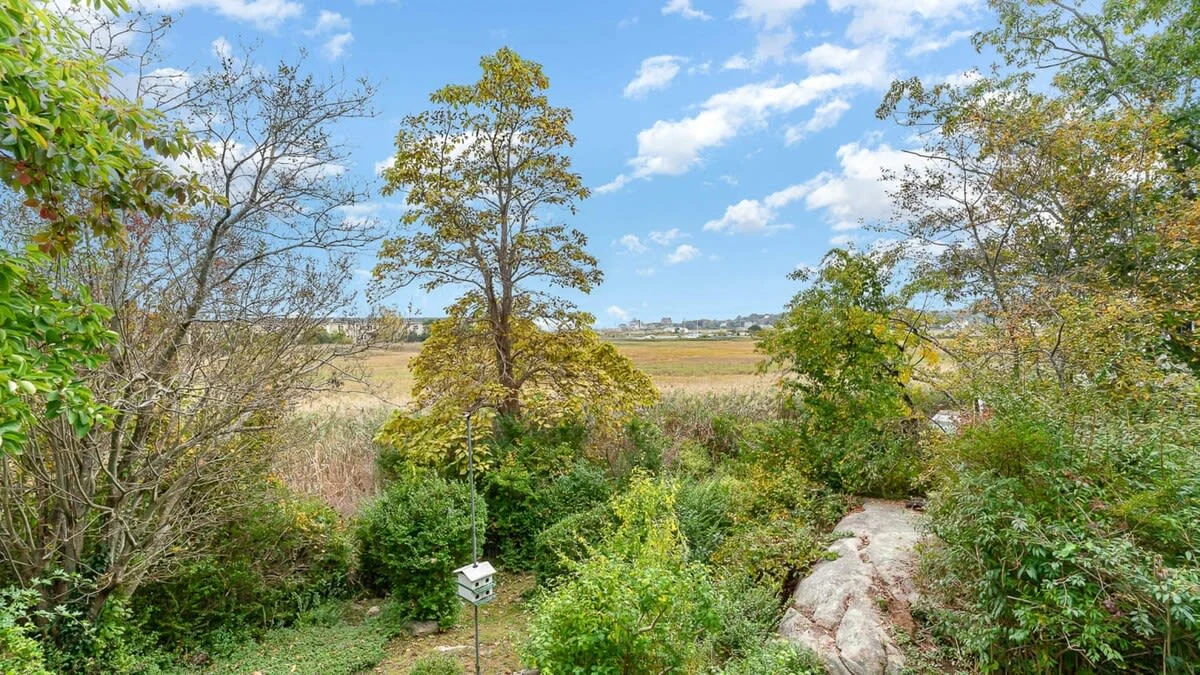
Scenic outdoor view from a property showing lush green vegetation, mature trees, and expansive open fields in the distance under a bright blue sky with scattered white clouds, capturing a peaceful rural or semi-rural landscape perspective. · Walk To Good Harbor, OCEAN VIEWS, Open All Year!
3. Is It Profitable to Rent Out Your House, and What Will Insurance Cost?
Rental profitability is the net income left after vacancy, taxes, insurance, utilities, maintenance reserves, and management costs. The headline rent or nightly rate is only the top line, and most owners underestimate vacancy and reserves.
Fill out this worksheet before you commit to a model. Every row needs your own number, not an average.
|
Line item |
What to include |
Where to get the number |
|---|---|---|
|
Carrying costs |
Mortgage, property tax, and utilities you will keep paying |
Your statements and tax bill |
|
Insurance |
Rental-appropriate coverage replacing an owner-occupied policy |
A written quote from your carrier |
|
Vacancy allowance |
Weeks the house sits empty, heavier in a seasonal market |
Your comparable listings |
|
Maintenance reserve |
Routine servicing plus repairs on the roof, HVAC, and appliances |
Age and condition of each system |
|
Taxes |
Occupancy excise where it applies; income tax effects of converting a primary residence |
A CPA and the Mass.gov pages |
|
Startup costs |
Repairs, furnishings if needed, locks, supplies |
Contractor quotes |
|
Management and cleaning |
Fees depend on property, location, scope, and portfolio size |
Written scope from each provider |
Insurance deserves its own call. Landlord coverage generally costs more than a standard homeowners policy, though the carrier and policy language set the real figure. For short stays, ask in writing whether paying guests are covered, since some standard policies limit or exclude them.
Cambridge owners should also read our walkthrough on paying occupancy tax on a Cambridge vacation rental, because the tax step is where first-time hosts most often fall behind.
4. How Do You Prepare a House for Renters or Guests?
Rental preparation is the repair, safety, cleaning, and decluttering work that makes a house ready for occupants who are not you. Finish it before the photo shoot, because every fix afterward means reshooting or a listing that no longer matches the house.
Begin with deferred maintenance. Gordon James Realty recommends routine checks twice a year, covering HVAC servicing, gutter cleaning, and winterization. In a coastal town like Gloucester, add exterior paint and railings, plus anything else wind and salt air punish.
Next, remove personal belongings and clear closets and drawers so occupants have real storage. Change locks and any garage or door codes before the first occupant arrives, as Zillow advises. For short stays, smart locks allow self check-in with a unique code per stay, which removes key handoffs and late-night lockouts.
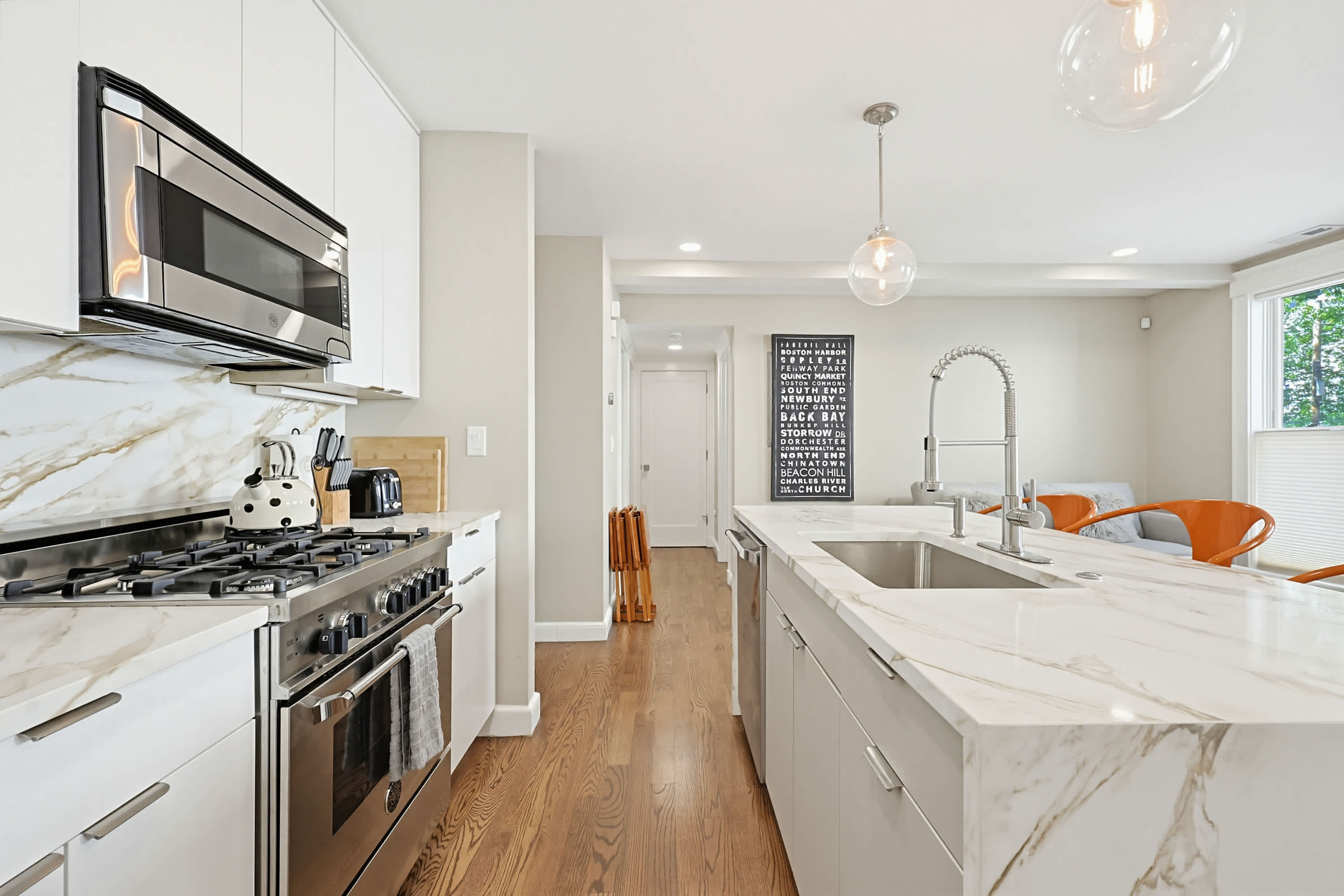
Kitchens carry weight under any model. The galley kitchen at Walk To Good Harbor, with white shaker cabinets, stainless steel appliances, and gray subway tile, shows how a clean, current finish reads well in a listing even without much square footage.
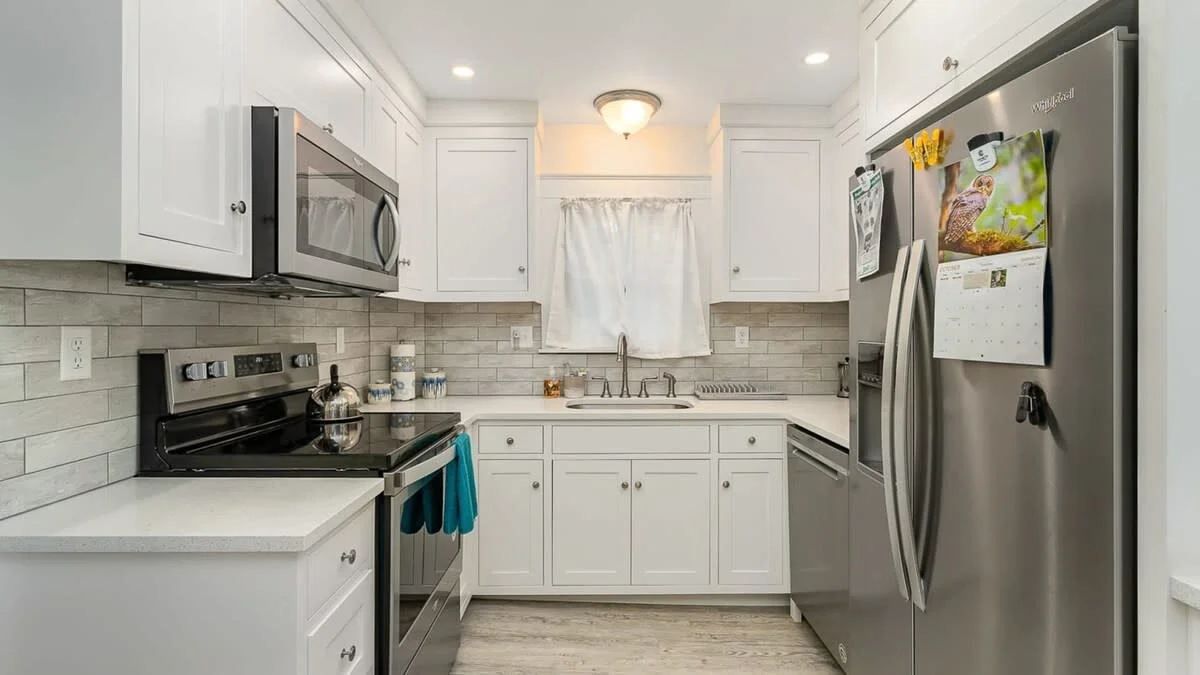
Modern kitchen featuring white shaker cabinets, stainless steel appliances, gray subway tile backsplash, and light wood-look flooring. The galley-style layout includes a microwave, gas range, refrigerator, and window above the sink with natural light. · Walk To Good Harbor, OCEAN VIEWS, Open All Year!
Finish with safety. Test smoke and carbon monoxide detectors, secure stair railings, and light exterior paths. Then ask your city or town whether it requires a pre-rental inspection, and how long scheduling takes as well as what it costs.
5. How Do You Set the Right Rent or Nightly Rate?
Rental pricing is the process of setting a rent or nightly rate from comparable listings, adjusted for what your house has or lacks, and checked against your own costs. A rate copied from the neighbor’s listing skips the adjustments that matter.
-
Pick a named data source. For long-term rent, Zillow, Trulia, HotPads, and Rentometer are common starting points. For shorter stays, study comparable Airbnb and Vrbo listings in the same area.
-
Find at least three comparable active listings. Awning recommends this minimum. Match bedroom count, neighborhood, condition, and sleeping capacity.
-
Adjust for differences. Add or subtract for parking, a yard or patio, walkability, outdoor views, and renovation level.
-
Set a floor from your worksheet. No rate below your carrying costs, reserves, and fees should survive the comparison.
-
Price by seasonality and demand. Seasonal patterns, local events, and booking pace move demand week to week, and a Gloucester beach week and a February weekend are different products.
-
Review after the first bookings. Adjust once real inquiries show whether you are high or low.
Dynamic pricing means rates update automatically as seasonality, events, and booking pace change. Managers typically run it for you, and it is one of the main reasons owners hand off operations.
Modern kitchen featuring white shaker cabinets, stainless steel appliances, gray subway tile backsplash, and light wood-look flooring. The galley-style layout includes a microwave, gas range, refrigerator, and window above the sink with natural light. · Walk To Good Harbor, OCEAN VIEWS, Open All Year!
6. What Makes a Rental Listing Work?
A rental listing is the advertisement that turns a search result into an inquiry, and its photos and plain-spoken details do most of the work. Zillow recommends at least 10 high-quality photographs covering both interior and exterior.
Lead with your strongest room and show the exterior in daylight. Then write the details a decision-maker needs: bedroom and bed counts, sleeping capacity, parking, stairs, laundry, and what is and is not included. Honest notes about stairs or a parking walk prevent bad reviews and cancellations, so disclose them per unit rather than assuming one description fits the whole building.
Capacity belongs near the top. Boston Brownstone Stay is a four-bedroom, 3.5-bath home for up to 11 guests with one parking spot, and the Cambridge three-bedroom sleeps up to seven. Both state those numbers up front, which filters the right groups.
For shorter stays, distribution matters as much as copy. We market listings across Airbnb, Vrbo, Booking.com, Expedia, and a direct-booking website. Whoever runs your listing, ask what onboarding includes, such as photography or listing writing, because scope varies and should be confirmed in writing.
7. How Do You Screen Renters or Guests and Set the Terms?
Screening is the written, consistently applied process of verifying who will occupy your house and on what terms. For long-term rentals it means a standard application; for shorter stays it means guest verification and enforced occupancy limits.
For a lease, use one standard application and written criteria applied the same way every time. Zillow’s suggested checks include a background check, a credit report, pay stubs, and calls to former landlords. Gordon James Realty lists the lease topics to cover: rent amount, due dates, payment methods, late fees, security-deposit terms, maintenance responsibilities, pet and guest policies, and early termination. Zillow also advises having a local attorney review the lease.
Massachusetts adds limits. The state Attorney General’s Broker Fee Advisory says landlords and property managers may not require application, move-in, background-check, credit-check, or broker fees at tenancy start beyond first month’s rent, last month’s rent, a security deposit, and the actual cost of a lock change. The state’s overview of fair housing law lists the protected characteristics your screening must respect.
For shorter stays, set house rules, occupancy limits, and quiet hours in the listing, and verify guests before check-in. Before any new occupant moves in, complete a signed walkthrough checklist: Zillow suggests inspecting each room, recording repairs or cleaning needs, documenting agreements, and giving everyone a copy.
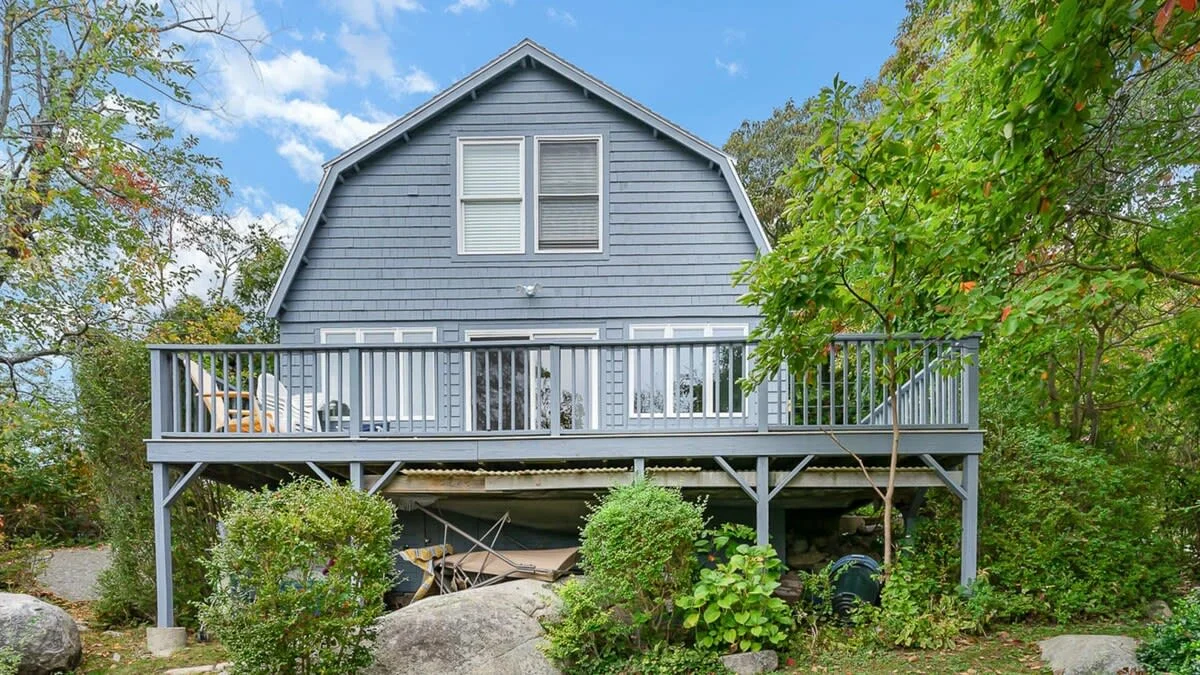
A modern gray raised beach house with a wide wrap-around deck featuring white railings, surrounded by lush greenery and natural landscaping. The barn-style architecture includes a peaked roof, large windows, and an elevated foundation providing covered outdoor space beneath the deck. · Walk To Good Harbor, OCEAN VIEWS, Open All Year!
8. Should You Manage the Rental Yourself or Hire a Manager?
Property management is the ongoing operation of a rental: pricing, reservations, guest or tenant communication, cleaning, maintenance, and records. You can run it yourself if you live nearby and can answer a call at any hour; distance is where self-management usually breaks down.
A full-service manager covers the daily load. At South End Hospitality, that means dynamic pricing based on seasonality, local events, and booking pace, reservations and guest communication with 24/7 support, self check-in with smart locks, cleaning, laundry, and maintenance coordination, plus owner-focused reporting. A dedicated revenue manager watches pricing and occupancy.
We also manage boutique and limited-service hotels, with multi-channel marketing, reservation support, remote check-in, housekeeping, linen service, and supply restocking. If your property is an inn or small hotel, see our hotel management page. That operating experience carries over to single houses and apartments.
Fees vary by property, location, scope of service, and portfolio size, so ask every manager for scope in writing, including whether photography, registrations, or tax filings are included. You can also check how a manager is licensed: Massachusetts licensing guidance covers showing property, negotiating leases, and collecting fees. For comparison shopping, see how to choose a property manager in Boston, MA.
What Order Should You Complete These Steps In?
A pre-listing timeline is the order of tasks that respects dependencies, so no money is spent before permission is confirmed. Follow this sequence in 2026 and you avoid redoing work.
-
Get lender, HOA, and municipal answers in writing. Nothing else should start until these arrive.
-
Call your insurer and get a quote for the rental coverage you need.
-
Choose a rental model using your worksheet and the answers from step 1.
-
Complete tax or permit registration your municipality requires, before advertising.
-
Finish repairs, safety work, and decluttering.
-
Photograph the finished house, not the half-finished one.
-
Set the price from comparable listings, then publish.
-
Change locks and codes and stock supplies before the first arrival.
What Mistakes Should You Avoid Before You List?
-
Advertising before permission. A listing that goes live before the lender, HOA, or city has answered can create fines or a forced shutdown.
-
Keeping the homeowners policy unchanged. Standard owner-occupied coverage may not respond to rental losses.
-
Pricing from one listing. One comparable is a guess; three or more is a method.
-
Skipping the reserve. A dead water heater in the first month wipes out a thin margin.
-
Applying one city’s rules to another. Gloucester, Boston, and Cambridge each have separate requirements.
So, How Can I Rent My House Out With Confidence in 2026?
When you ask how you can rent your house out, the answer is a short list: clear your lender, HOA, municipality, and tax registration; pick the model your numbers support; insure it correctly; prepare, price, and list; then decide who runs it. Local rules and costs keep changing, so confirm each current figure with the official source before you commit.
Want a local team to handle the day-to-day for your Greater Boston or Gloucester property? South End Hospitality Rental Management can review your house and explain what management would cover for it. When you are ready to talk logistics, you can start the hand-off here.
Frequently Asked Questions
Do I need a license or permit to rent out my house in Massachusetts?
Massachusetts does not apply one rule to every town. Occupancy tax registration and municipal requirements vary, and municipalities such as Gloucester, Boston, and Cambridge may add registration, inspection, or permit steps of their own. Call the local office that handles housing and inspections before you list, and confirm what applies to your rental length.
Can I rent my house while I still have a mortgage?
Often yes, but the loan contract decides. Apartments.com notes many mortgages require owner occupancy for at least 12 months before conversion. Read the occupancy clause, call your lender, and get the answer in writing.
Do I have to tell my insurance company I am renting?
Tell your carrier before the first guest or tenant arrives. A standard owner-occupied policy may not respond to losses tied to a rental, and landlord coverage is priced differently. Ask specifically whether paying guests are covered if you plan shorter stays.
Who can help me rent out my house in Greater Boston or Gloucester?
South End Hospitality Rental Management manages residential rentals and boutique and limited-service hotels across Greater Boston and select North Shore communities, including Gloucester. Its services cover pricing, reservations, guest communication, cleaning, and maintenance coordination. Fees vary by property, location, scope of service, and portfolio size, so ask any manager you consider for the scope in writing.
Can I use the house myself and rent it the rest of the year?
Often yes, though the rental model and local rules decide. Second-home owners typically block dates for personal stays, so ask any manager how owner stays are scheduled. Some municipalities also tie permission to whether the home is your primary residence, so check before you plan around it.
How much should I keep in reserve before the first booking?
No universal percentage exists, so build the number from your own worksheet. Cover repairs on the oldest systems and your insurance deductible, then add carrying costs through a stretch of vacancy. Seasonal coastal markets like Gloucester call for a larger cushion in the off-season.
What belongs on a move-in walkthrough checklist?
Zillow advises inspecting each room, recording repairs or cleaning needs, documenting any agreements, and having everyone sign. Give each party a copy. For shorter stays, the equivalent is a documented pre-arrival check of the unit.
“`
Content powered by inkSTR.co