Where to Stay in Boston: Best Neighborhoods and Rentals
If you’re wondering where to stay at Boston, the best area for most first-time visitors is Back Bay, thanks to its central position near Copley Square, easy access to the Green and Orange Lines, and proximity to the Freedom Trail. The right neighborhood depends on your trip, though: South End Hospitality manages vacation rentals across Boston, MA and Cambridge, MA, and we match travelers to a neighborhood based on group size, budget, and whether they’d rather be near the harbor or Fenway Park.
Key Takeaways
- Back Bay is the most balanced choice for first-time visitors, with Copley Square, Newbury Street, and direct Green/Orange Line access.
- Boston’s short-term rental market held 3,326 active listings as of June 2026, with average annual revenue of $33,700 per active listing, according to AirDNA.
- Downtown accounts for roughly 19% of Expedia bookings in Boston; Back Bay and Seaport each account for about 15%.
- Vacation rentals with full kitchens and in-unit laundry, like The Chester: Penthouse One Bedroom, give families and longer-stay guests a place to cook and do laundry between outings.
- Airbnb lists 10,830 vacation rentals in Boston as of late 2026, with stays averaging a 4.7 out of 5 guest rating.
Choosing where to stay at Boston in 2026 means weighing more than proximity to the Freedom Trail. Your neighborhood decides your transit costs, your parking headaches, and your dinner options. This guide breaks the city into its real functional zones instead of tourist-brochure categories, using transit specifics and honest tradeoffs between hotels and vacation rentals.
We manage properties across Boston and Cambridge at South End Hospitality, and the question we hear most from incoming guests isn’t “what’s the best hotel.” It’s “where should I actually be based, given what I’m doing.” This guide answers that question neighborhood by neighborhood, with transit times, price ranges, and specific property recommendations for travelers who want more space than a hotel room gives them.
Table of Contents
- What Lodging Options Exist for Visitors Deciding Where to Stay in Boston?
- Which Boston Vacation Rentals Actually Stand Out in 2026?
- What Is the Best Area of Boston to Stay for Tourists?
- Which Is Better for Staying in Boston, Back Bay or Downtown?
- Is It Better to Stay in North or South Boston?
- How Do Boston Neighborhoods Compare Side by Side?
- How Far Is Each Neighborhood From Logan Airport?
- Which Neighborhoods Are Safest for Families and Solo Travelers?
- What Is the Best Hotel in Boston for First-Time Visitors?
- What Should Families With Kids Look for in a Boston Stay?
- How Does Seasonal Timing Affect Where You Should Stay?
- What Mistakes Do First-Time Visitors Make Choosing Where to Stay?
- Frequently Asked Questions
What Lodging Options Exist for Visitors Deciding Where to Stay in Boston?
Boston lodging breaks into three categories: privately managed vacation rentals, traditional hotels, and boutique or extended-stay properties. The right choice depends on group size, length of stay, and whether you need a kitchen more than a concierge desk.
Privately Managed Vacation Rentals: Full Kitchens, Laundry, and Local Service
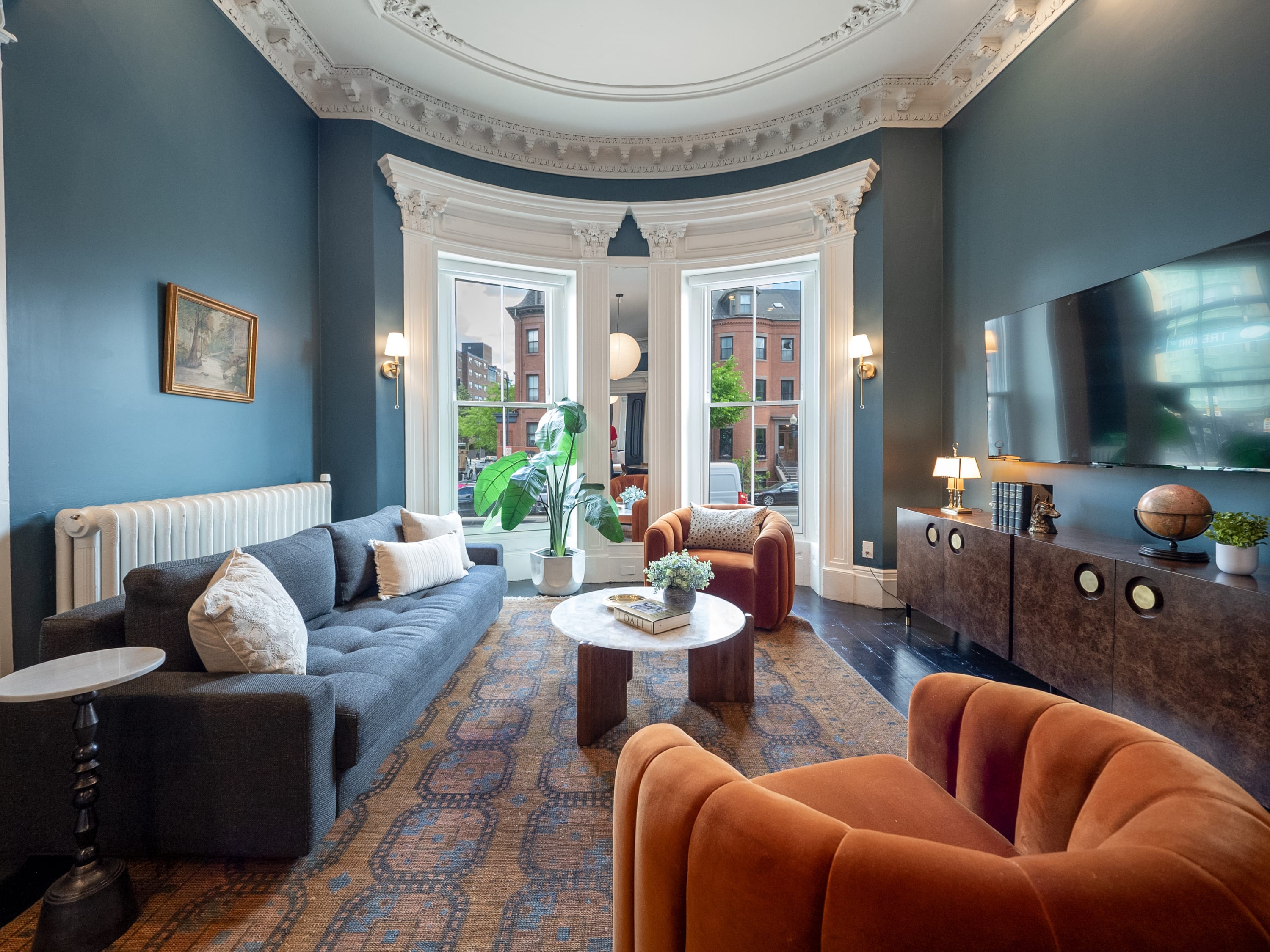
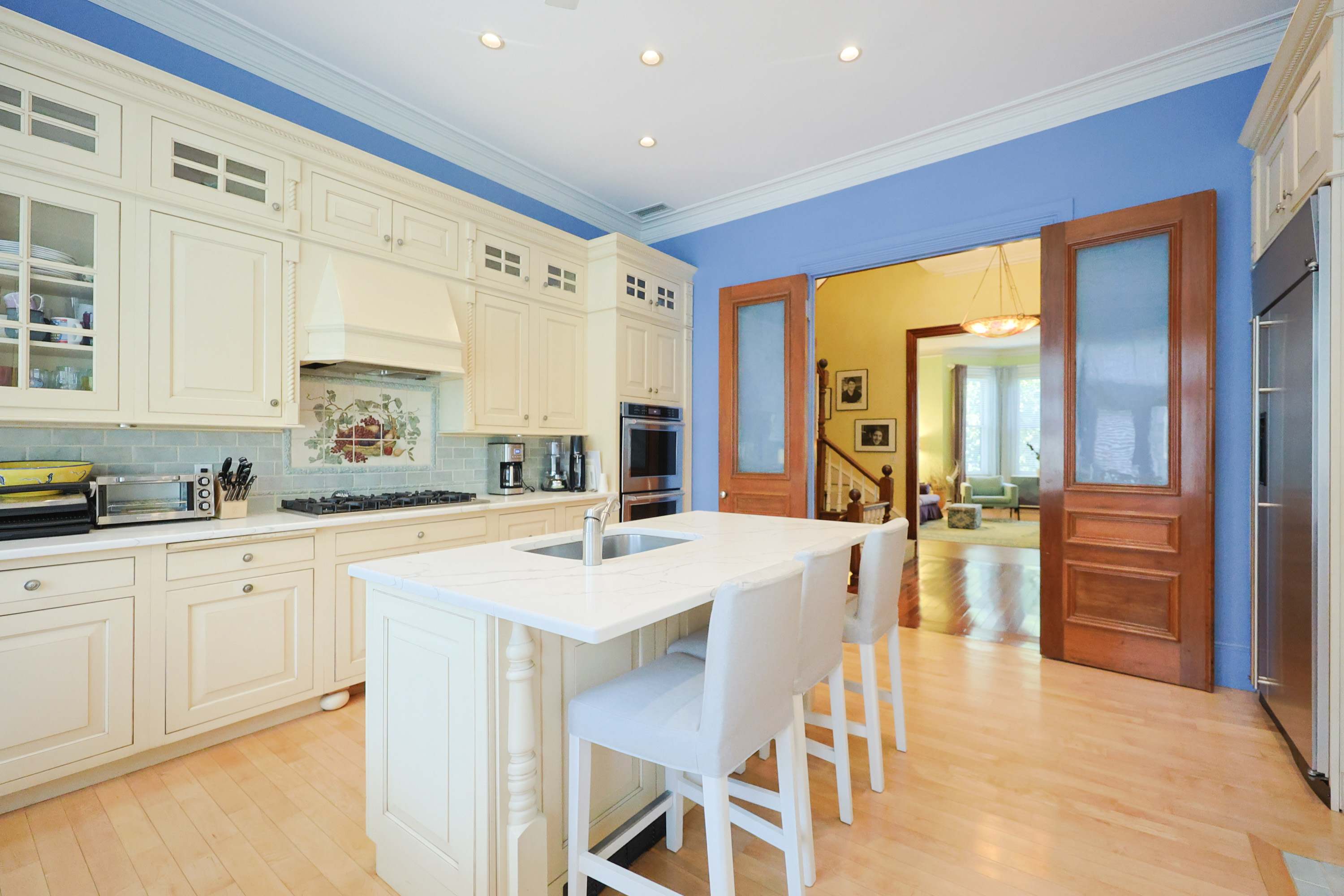
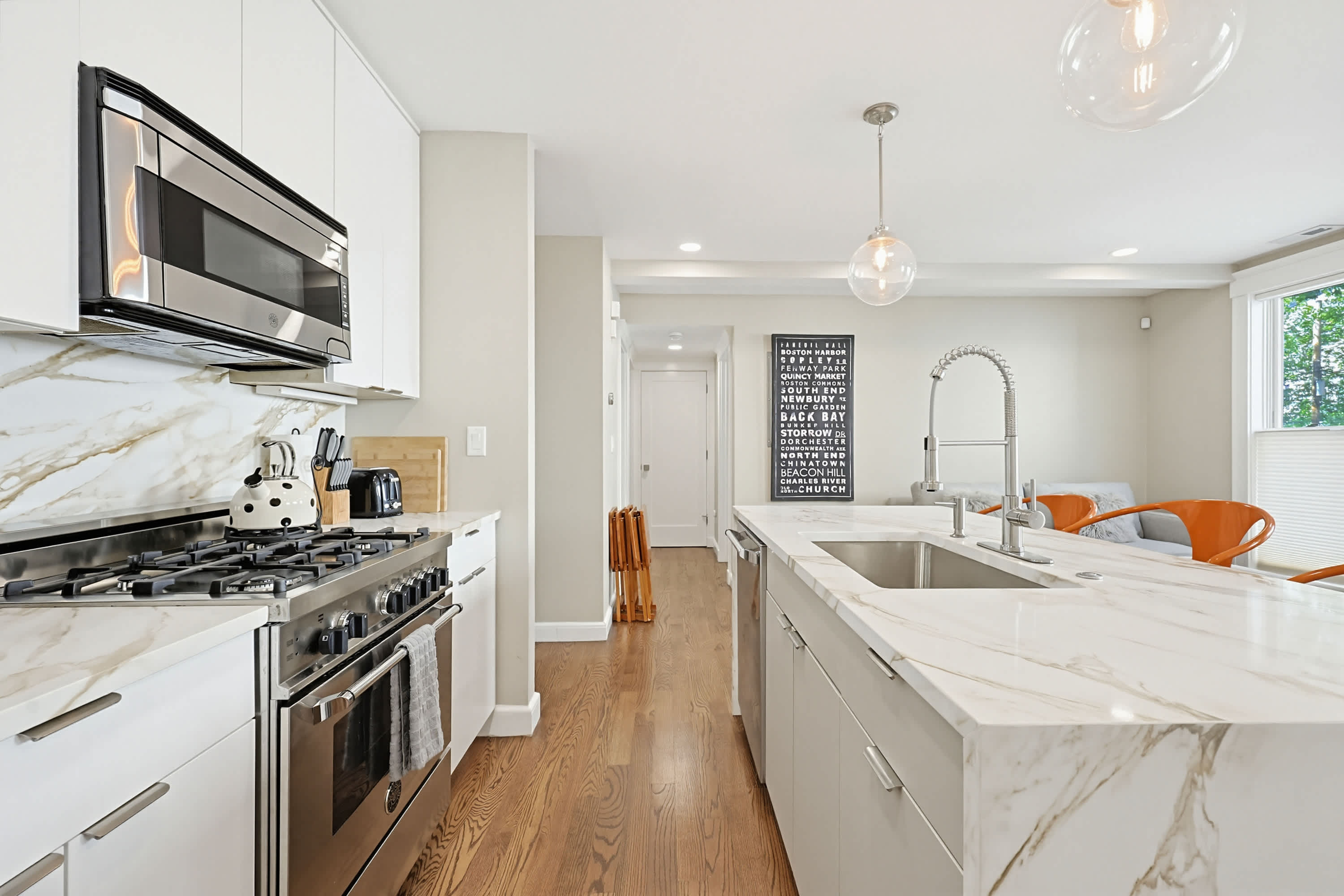
South End Hospitality manages a portfolio of vacation rentals across Boston and Cambridge, and this is the category we’d point most travelers toward first, especially anyone staying more than two nights or traveling with a group. A managed rental gives you a full kitchen with dishwasher and cookware, an in-unit washer and dryer, and often a private entrance instead of a shared lobby. Properties like The Chester: Penthouse One Bedroom pair that space with a direct relationship to a local operator rather than a call-center booking platform: when something needs attention, you’re reaching an actual Boston-based team, not a national reservations line. Our portfolio spans boutique-style units, brownstones, and multi-bedroom apartments in the South End, Back Bay, and Cambridge, with self check-in via smart lock and 24/7 guest support built in. For families needing a Pack ‘n Play or travel crib, or groups needing enough bathrooms and common space to spread out, this category solves problems hotels structurally can’t.
Traditional Hotels: Concierge Service and Predictable Amenities
Boston’s hotel market ranges from budget chains to landmark properties like the Fairmont Copley Plaza in Back Bay and the Beacon Hill Hotel, XV Beacon, and Whitney Hotel clustered along Charles Street. Hotels suit solo travelers or couples on short trips who want daily housekeeping and an on-site restaurant without managing groceries. The tradeoff is space and cost per square foot: a standard room runs $200 to $600 a night depending on neighborhood and season, and you’re paying for services like room service and a lobby bar that many trips never use.
Boutique and Extended-Stay Properties
Smaller boutique hotels, like the Godfrey Hotel downtown or converted historic buildings such as the Liberty Hotel (a former jail) and the Langham (a former Federal Reserve Bank building), offer design-forward rooms at a more intimate scale than big-box hotels. Extended-stay apartment hotels split the difference, offering kitchenettes without the full flexibility of a private rental, and tend to suit business travelers on multi-week assignments in Cambridge or the Financial District.
Which Boston Vacation Rentals Actually Stand Out in 2026?
The Chester: Penthouse One Bedroom stands out among Boston vacation rentals in 2026 for combining a private, elevated layout with the full-kitchen and in-unit laundry setup most downtown hotels can’t offer at any price. It’s the property we recommend most often to couples and small families who want space without sacrificing a central location.
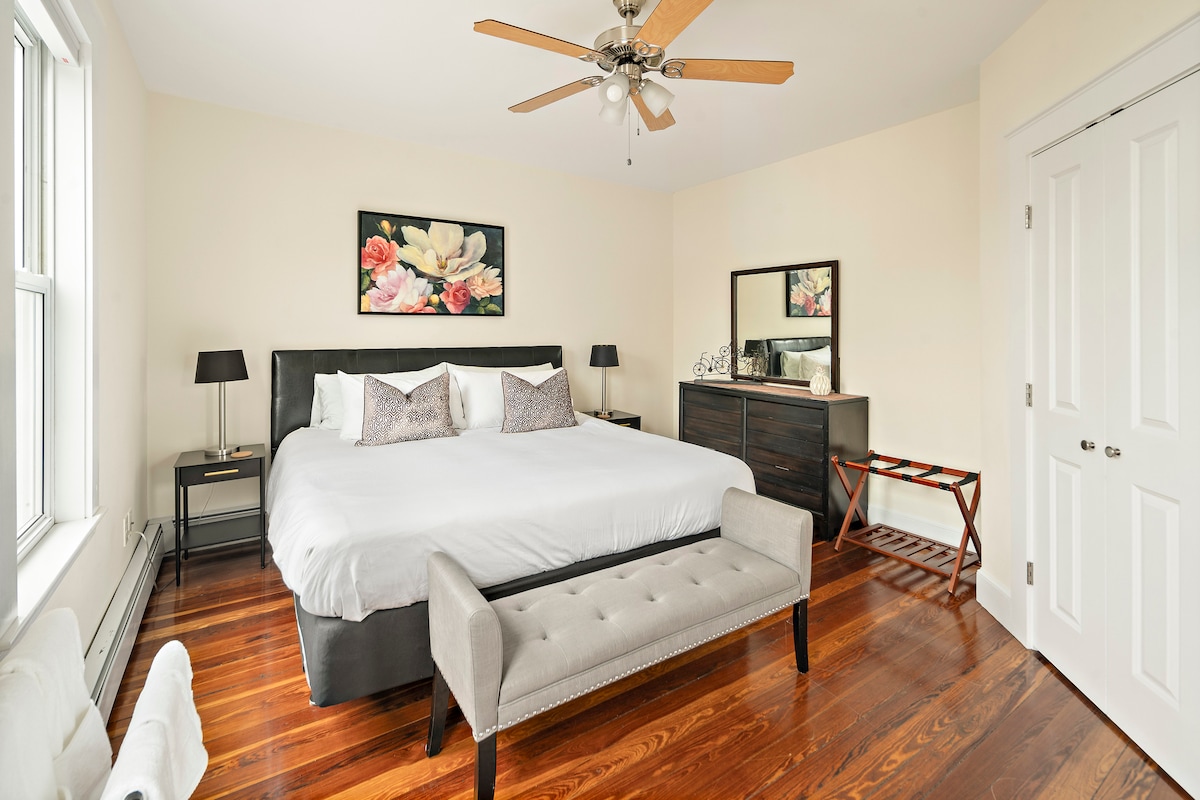
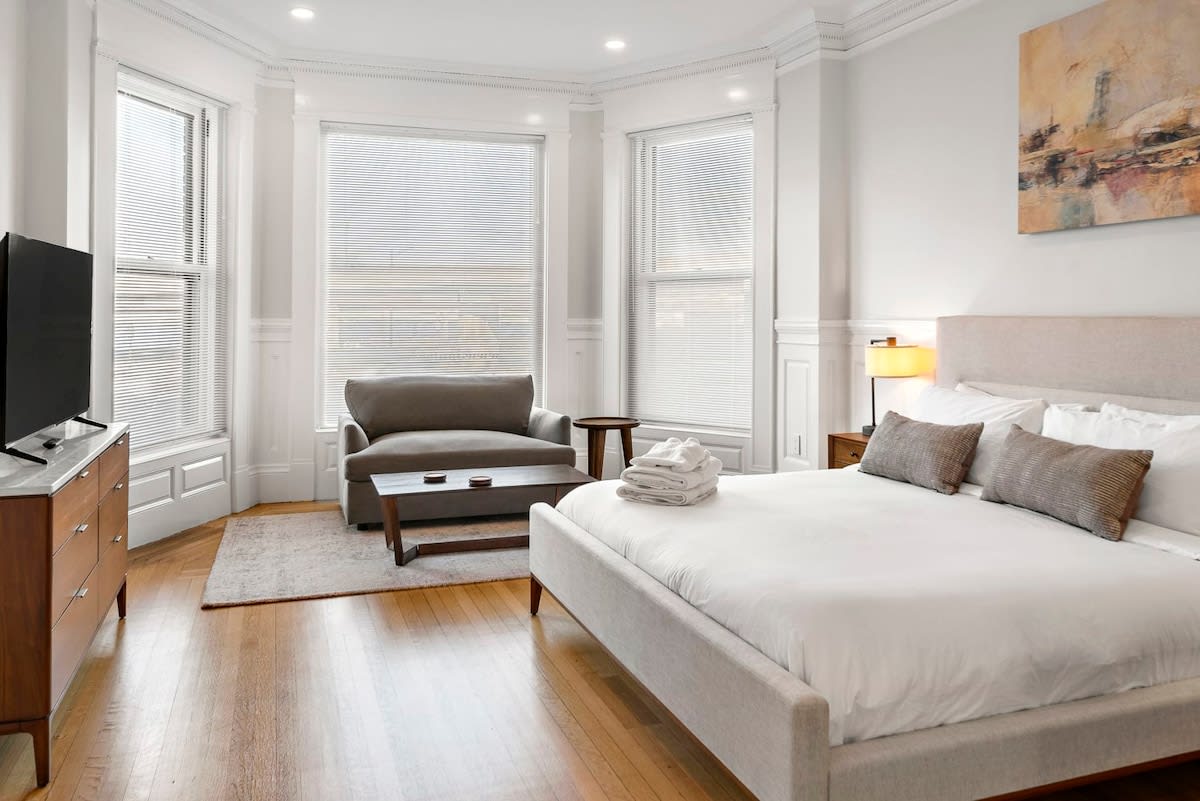
Managed directly by South End Hospitality, The Chester: Penthouse One Bedroom is a one-bedroom penthouse unit, giving guests a private, self-contained layout rather than a shared floor of identical hotel doors. The unit includes a full kitchen with dishwasher and cookware, in-unit washer and dryer, and self check-in through a smart lock, so late flights into Logan Airport don’t turn into a front-desk negotiation at midnight.
Guests get a dedicated point of contact through South End Hospitality’s 24/7 guest support rather than a rotating hotel front desk, and the unit is professionally photographed and staged, so what you see in the listing is what you get on arrival. For couples celebrating an anniversary or a small family wanting a real kitchen for breakfast before a day at Fenway Park, it fills the gap between a cramped hotel room and an oversized rental built for six people you don’t need to pay for. You can check current availability for The Chester directly through the listing.
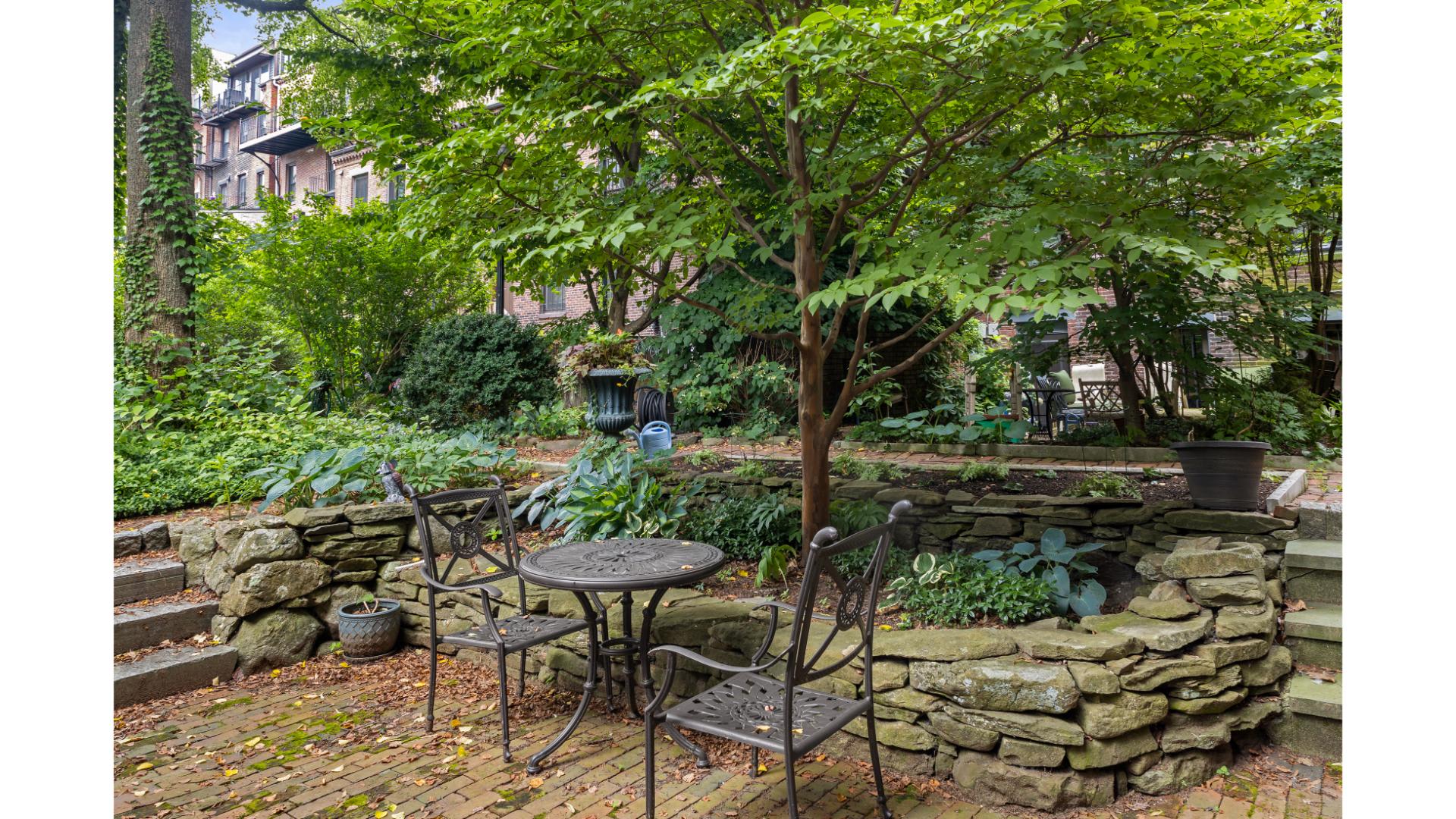
If you need more bedrooms or a different neighborhood, South End Hospitality’s broader portfolio includes the Boston Brownstone stay with included parking, useful for guests bringing a car who don’t want to gamble on street parking in a historic district, and the newly furnished three-bedroom unit in a central location, sized for larger families or group trips. A private-patio option, the Montgomery Park patio rental, works well for travelers who want outdoor space attached to their unit rather than relying on a public park.
What Is the Best Area of Boston to Stay for Tourists?
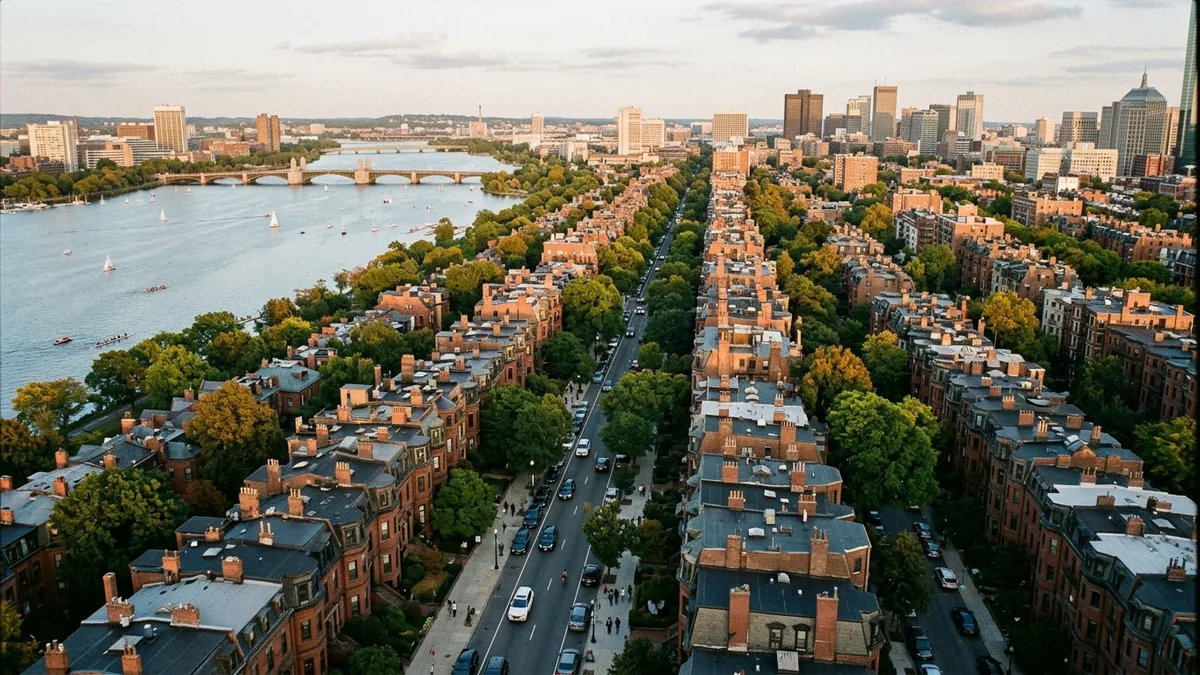
Back Bay is the best area for most tourists visiting Boston, based on its central position, Copley Square anchor point, and direct Green and Orange Line subway access. It sits within walking distance of Newbury Street shopping, the Boston Public Library, and Fenway Park, and connects to the Freedom Trail without a car.
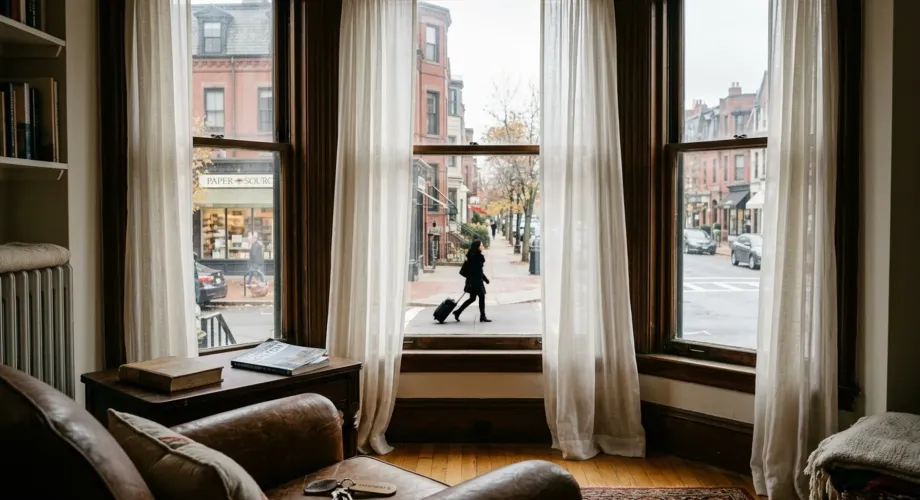
Back Bay’s grid of brownstone-lined streets makes it one of the easiest parts of the city to get around on foot, and its transit access means you can reach the North End, Beacon Hill, or Cambridge in under 20 minutes without driving. Hotel options here range from the historic Fairmont Copley Plaza to newer boutique properties, with nightly rates starting around $180 in shoulder season and climbing well past $400 for marathon weekend or graduation season at nearby Harvard and MIT.
For tourists who’d rather have a kitchen and laundry than a hotel breakfast buffet, South End Hospitality’s Back Bay-area rentals put you in the same central radius with more room to actually live in. The Charlesgate Suites unit, an oversized one-bedroom near the Back Bay/Fenway line, is a solid example: it’s sized generously for a one-bedroom and sits close enough to both Fenway Park and Back Bay’s core to work for a Red Sox weekend or a straightforward sightseeing trip.
Which Is Better for Staying in Boston, Back Bay or Downtown?
Back Bay suits travelers prioritizing walkability and residential quiet. Downtown Boston suits travelers prioritizing historical sites and the highest volume of booking options. Expedia reports Downtown as the top-booked Boston neighborhood at roughly 19% of all stays, compared to about 15% each for Back Bay and Seaport.
Downtown Boston sits closest to the Freedom Trail, Faneuil Hall, and the Old State House, and functions as the city’s historical and financial core. It’s dense with hotels of every price tier and puts you within a 10 to 15 minute walk of the harbor. The tradeoff: Downtown gets quiet and somewhat commercial after business hours, since much of the neighborhood empties out once offices close.
Back Bay, by contrast, stays lived-in around the clock, lined with brownstone residences and restaurants along Newbury Street with steady foot traffic well into the evening. If your priority is history and being steps from Faneuil Hall, choose Downtown Crossing and the Financial District. If you want a neighborhood that feels residential with strong shopping and dining, Back Bay wins.
Is It Better to Stay in North or South Boston?
North Boston, meaning the North End, suits food-focused and history-focused travelers. South Boston areas like the South End and Seaport suit travelers wanting modern dining, waterfront access, or proximity to conventions. The North End is Boston’s dense Italian-American neighborhood, known for narrow streets and red-sauce restaurants, sitting adjacent to the Freedom Trail’s Paul Revere House and Old North Church.
The South End, distinct from South Boston proper, has become one of the city’s stronger dining neighborhoods, with restored brownstones and a residential character close to Back Bay. Meet Boston’s South End neighborhood guide lists apartment-style and extended-stay lodging options here, which fits travelers wanting a quieter base within a short walk or T ride of downtown attractions.
Seaport, meanwhile, is Boston’s newest waterfront district, built up around the Institute of Contemporary Art and convention facilities. Meet Boston notes properties here like the Omni Boston Hotel at the Seaport with over 1,000 guestrooms and the Westin Boston Seaport District, less than three miles from Logan Airport. It’s the right call for convention attendees or anyone wanting modern architecture and harbor views over historic charm. The North End wins on food and atmosphere; Seaport and the South End win on modern amenities.
How Do Boston Neighborhoods Compare Side by Side?
Comparing Boston’s main neighborhoods side by side shows clear tradeoffs in price, walkability, and traveler fit. The table below uses indicative nightly ranges alongside transit and airport notes drawn from official Meet Boston neighborhood pages.
| Neighborhood | Typical Nightly Range | Transit Access | Best For |
|---|---|---|---|
| Back Bay | $180 to $600+ (Fairmont Copley Plaza and similar run $400 to $600) | Green and Orange Lines | First-time visitors, shopping, walkability |
| Downtown / Financial District | Mid-range around $200 to $300, luxury higher | Multiple lines, most central | History, Freedom Trail, highest booking volume |
| North End | Comparable to Downtown, limited large hotels | Walkable from Downtown, Orange Line nearby | Food, history, atmosphere |
| Seaport District | Similar to Back Bay/Downtown, newer inventory | Silver Line, under 3 miles from Logan | Conventions, waterfront, modern hotels |
| Beacon Hill | Boutique pricing, varies widely | Red and Green Lines nearby | Historic atmosphere, quiet streets |
| South End | Extended-stay and apartment-style options | Orange Line, walkable to Back Bay | Dining, residential feel |
| Cambridge | Around $180 to $280 much of the year | Red Line direct to Downtown | Harvard/MIT visits, university events |
| Dorchester | Cheapest tier, budget-friendly | Red Line | Budget travel, transit-connected value |
Neighborhood choice alone can move your total trip cost more than hotel star rating does. Chinatown tends to run at the higher end of the nightly range across comparison sites, while Dorchester consistently comes in as the most affordable option with direct Red Line access into the city.
How Far Is Each Neighborhood From Logan Airport?
Logan Airport sits closest to East Boston and Seaport, both within roughly 10 to 15 minutes by taxi or rideshare, while Back Bay, Downtown, and Cambridge typically run 15 to 25 minutes depending on traffic. The East Boston, Chelsea, Revere neighborhood guide from Meet Boston confirms Blue Line access connects this area directly to Downtown in a handful of stops.
The Silver Line bus rapid transit connects Logan directly to Seaport and South Station at no additional fare beyond standard transit, making it one of the most cost-effective airport connections in the city. For Back Bay or Cambridge, expect a taxi or rideshare in the $25 to $45 range depending on time of day and traffic, or a combination of Silver Line plus a subway transfer if you’re comfortable with luggage on transit.
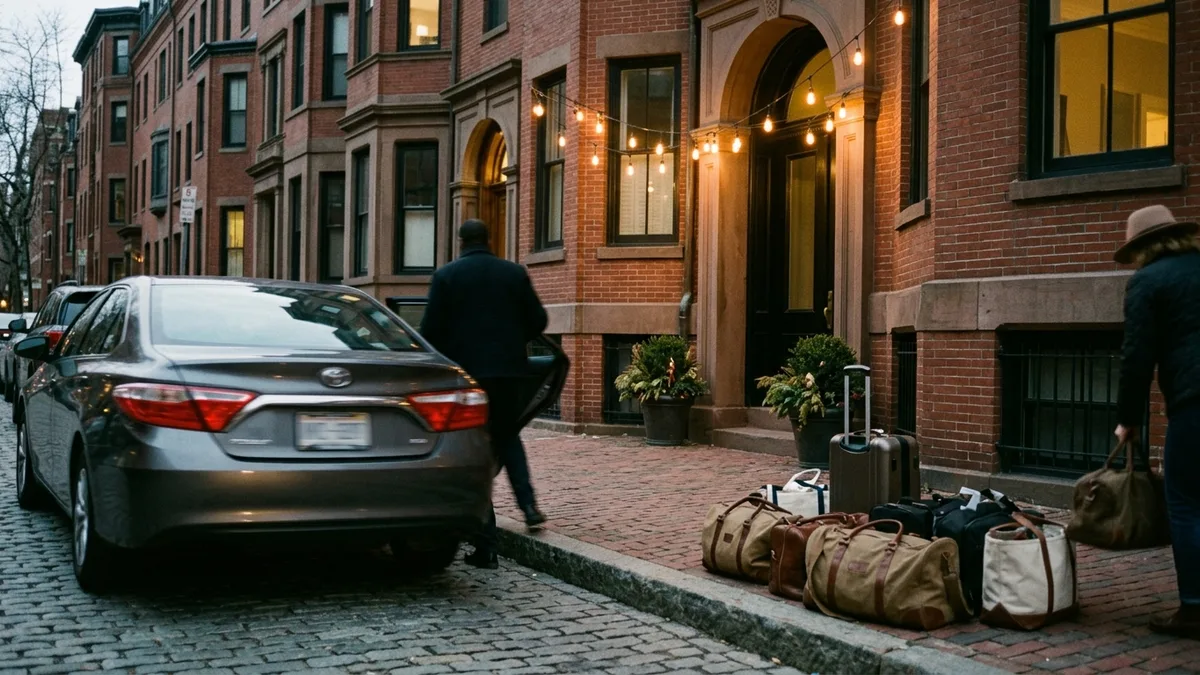
Skip the rental car if your trip stays inside Boston’s core: the city’s historic center is compact, and downtown parking can run $40 to $50 a day at hotels in Back Bay and Downtown. If you’re staying at a South End Hospitality rental with included parking, like the Boston Brownstone unit, you avoid that daily fee entirely, which matters if you’re staying more than a couple of nights.
Which Neighborhoods Are Safest for Families and Solo Travelers?
Back Bay, Beacon Hill, the South End, and Cambridge’s Harvard Square area are consistently the neighborhoods most recommended for families and solo travelers, largely because of high foot traffic and well-lit residential streets that stay active into the evening. Meet Boston’s official neighborhood pages, referenced throughout its solo trip planning guide, note that Boston spans 23 district neighborhoods, each with a distinct character, so blanket safety advice for “Boston” misses meaningful block-by-block variation.
As a general rule, neighborhoods built around a defined commercial core, like Back Bay’s Newbury Street corridor or Cambridge’s Harvard Square, tend to feel more comfortable after dark simply because more people are around. Historic residential streets in Beacon Hill, lit by gas lamps and lined with brick sidewalks, draw a steady stream of evening walkers and tour groups.
For families specifically, sticking to neighborhoods with strollable, mostly flat sidewalks matters as much as general safety. Beacon Hill’s cobblestone streets look charming in photos but are difficult with a stroller or wheelchair. Back Bay’s wider, flatter sidewalks and South End Hospitality’s accessibility-minded units, which include grab-rails and flat, well-lit pathways, solve that specific friction point for families and travelers with mobility needs.
What Is the Best Hotel in Boston for First-Time Visitors?
For first-time visitors who specifically want a hotel rather than a vacation rental, properties clustered in Back Bay and Beacon Hill tend to offer the strongest combination of location and amenities. Meet Boston’s official Beacon Hill page lists the Whitney Hotel at 170 Charles Street with 65 rooms, XV Beacon in a ten-story Beaux Arts building with fireplaces in 63 individually designed rooms, and the Liberty Hotel, a converted former jail that’s become a landmark in its own right.
Downtown, the Godfrey Hotel offers a boutique, design-forward alternative closer to Downtown Crossing and the Theater District, while citizenM Boston North Station suits visitors prioritizing proximity to TD Garden for a Celtics or Bruins game. For travelers who’d rather have a full kitchen and more square footage than a hotel room provides at a comparable price point, a managed rental like The Chester: Penthouse One Bedroom fills the same central-location need without the per-night markup on room service and minibar items you won’t use.
If budget is the primary constraint, the HI Boston Hostel near the Theater District offers dorm beds and private rooms at rates well below any Back Bay hotel. Jamaica Plain and East Boston are lower-cost neighborhoods still connected to the center by the T.
What Should Families With Kids Look for in a Boston Stay?
Families visiting Boston should prioritize a full kitchen, in-unit laundry, and a neighborhood with flat, stroller-friendly sidewalks over proximity to nightlife. Back Bay, the South End, and parts of Cambridge near Harvard Square check those boxes, while historic neighborhoods like Beacon Hill, despite their charm, present real cobblestone and staircase challenges for strollers and car seats.
A kitchen matters more than most families expect before their first Boston trip. Feeding a family of four at restaurants three times a day adds up fast, and a kitchen lets you handle breakfast and at least one other meal without a restaurant bill. South End Hospitality’s family-oriented rentals include Pack ‘n Play travel cribs and children’s books and toys as standard extras, plus in-unit washers and dryers so a spilled juice box doesn’t derail your trip.
A three-bedroom unit, like South End Hospitality’s newly furnished three-bedroom in a central location, gives extended families or two-family trips separate sleeping space that a standard hotel room can’t match, and it’s sized to comfortably host grandparents traveling with their kids and grandkids under one roof rather than splitting across two hotel rooms.
How Does Seasonal Timing Affect Where You Should Stay?
Boston’s lodging prices swing by season, with peak spring and fall rates running noticeably higher than winter, and specific event weekends spiking further. Mid-range hotels typically run $200 to $300 in shoulder seasons, climbing to $300 to $450 during peak spring and fall, and dropping to $150 to $250 in winter.
Specific dates matter more than the general season in Boston. Marathon weekend in April, Harvard and MIT graduation weekends in late May, and Red Sox home series all push demand and prices up sharply in whichever neighborhood sits closest to the event. Book 8 to 12 weeks ahead for spring and fall travel, 2 to 4 weeks ahead for summer and winter, and as early as possible for marathon weekend or major university events.
The average U.S. vacation rental booking window shrank to 22.3 days in 2026 while average length of stay grew to 4.42 nights, according to The Host Report, a trend that tracks with what we see across our own portfolio: guests are booking closer to their travel dates but staying longer once they arrive. That combination rewards flexible, well-reviewed rentals over rigid hotel room blocks, since a rental with a full kitchen gets more useful the longer your stay runs.
Competition for the best-located, best-reviewed units peaks hardest during marathon weekend, graduation season, and major Red Sox series, so locking in a rental early matters more than it does in a quieter secondary market.
What Mistakes Do First-Time Visitors Make Choosing Where to Stay?
The most common mistake first-time Boston visitors make is picking a neighborhood based on a single landmark’s location rather than their actual day-to-day plans. Booking a hotel near Fenway Park because you’re seeing one Red Sox game, then discovering it’s a 25-minute walk from the Freedom Trail every other day of your trip, is a frustration we hear about often.
A second mistake: renting a car for a trip entirely inside Boston’s core. Skip the rental car unless you’re planning day trips outside the city: downtown parking runs $40 to $60 a night on top of your room rate, and Boston’s compact core gets you everywhere on foot or by T.
Third, travelers underestimate how much booking timing affects both price and availability. Waiting until three weeks before a late-May trip to book, when that weekend overlaps Harvard or MIT graduation, means paying peak rates for whatever’s left. Fourth: assuming every historic neighborhood is equally accessible. Beacon Hill’s brick sidewalks and Back Bay’s converted brownstone walk-ups can mean stairs with no elevator, a detail worth confirming directly with whoever manages the property before you book if mobility is a concern.
If you’re weighing a hotel against a managed rental for a longer stay, it’s worth reading our team’s take on what full-service management actually covers behind the scenes, since it explains why a well-managed rental can be more reliable on arrival day than a budget hotel booking. For Boston-based owners curious about the regulatory side of the rental market discussed throughout this guide, the city’s short-term rental registration information and the Massachusetts room occupancy excise tax page are the authoritative sources to check.
Frequently Asked Questions
What is the best area of Boston to stay for tourists?
Back Bay is generally the best area for tourists, offering central positioning near Copley Square, direct Green and Orange Line access, and walking distance to Newbury Street and the Freedom Trail. Downtown and Seaport are close runners-up depending on whether history or waterfront convention access matters more to your trip.
Which is better for staying in Boston, Back Bay or Downtown?
Back Bay suits travelers who want a walkable, residential neighborhood with strong shopping and dining that stays active into the evening. Downtown suits travelers prioritizing proximity to the Freedom Trail and Faneuil Hall, and it accounts for roughly 19% of Expedia’s Boston bookings, the highest share of any single neighborhood.
What is the best hotel in Boston for first-time visitors?
There’s no single best hotel, but Back Bay and Beacon Hill properties like the Fairmont Copley Plaza, the Whitney Hotel, and XV Beacon consistently offer the strongest combination of location and amenities for first-timers. Travelers wanting more space and a kitchen often choose a managed vacation rental like The Chester: Penthouse One Bedroom instead, in a similarly central location.
Is it better to stay in North or South Boston?
The North End suits travelers focused on food and Revolutionary-era history, sitting adjacent to the Freedom Trail’s Paul Revere House. South End and Seaport suit travelers wanting modern dining, waterfront views, or convention proximity, with Seaport home to newer large-scale hotels like the Omni Boston Hotel at the Seaport.
How far is Logan Airport from Back Bay and Downtown hotels?
Back Bay and Downtown typically run 15 to 25 minutes from Logan Airport by taxi or rideshare, depending on traffic, while East Boston and Seaport sit closer at roughly 10 to 15 minutes. The Silver Line connects Logan directly to Seaport and South Station at standard transit fare, making it a cost-effective option if you’re not checking heavy luggage.
Are Airbnb and vacation rentals a good option compared to hotels in Boston?
Vacation rentals work well for stays longer than two nights, groups needing multiple bedrooms, or families needing a kitchen and laundry. Airbnb currently lists over 10,830 vacation rentals in Boston with an average guest rating of 4.7 out of 5, and options like South End Hospitality’s managed properties add a direct local point of contact that large booking platforms alone don’t provide.
What is the best neighborhood in Boston for a family with young kids?
Back Bay and the South End work best for families, offering flat, stroller-friendly sidewalks and easy access to restaurants and parks. Beacon Hill’s cobblestone streets are charming but genuinely difficult with strollers, so families with young children often do better on a flatter street grid.
When should I book my Boston stay to get the best price?
Book 8 to 12 weeks ahead for spring and fall travel, and as early as possible if your dates overlap the Boston Marathon in April or Harvard and MIT graduation weekends in late May, since those windows sell out fastest and command the highest rates. Winter travel typically allows more flexibility, with mid-range hotel rates dropping to roughly $150 to $250 a night.
Final Word on Where to Stay in Boston
Back Bay remains the strongest all-around answer to where to stay at Boston for first-time visitors, but Seaport, Cambridge, and the South End each solve a specific trip type better: conventions, university visits, or dining-focused stays. With Boston’s short-term rental supply tightening even as occupancy holds steady, well-managed, well-located rentals are getting harder to book last minute, not easier.
Whether you’re deciding between a hotel room and a full kitchen, or trying to figure out which neighborhood matches your itinerary, the details above should narrow things down fast. Every Boston neighborhood has its own quirks around transit, parking, and getting around on foot, and that’s exactly the kind of local nuance South End Hospitality works through with guests and owners across Boston, Cambridge, Brookline, and Gloucester every day.
Ready to book a stay that gives you more room and a real kitchen than a hotel can offer? Get in touch with South End Hospitality to check availability for The Chester: Penthouse One Bedroom or explore the rest of our Boston-area portfolio.
Content powered by inkSTR.co