Best STR Management in Cambridge: 7 Things to Look For
The best STR management in Cambridge comes from a hands-on local operator that confirms your unit is eligible under city rules before listing and answers guests around the clock. South End Hospitality Rental Management works this way across Greater Boston, including Cambridge. Its local team oversees housekeeping and maintenance, prices with a dedicated revenue manager, and runs 24/7 guest support. It distributes listings to Airbnb, Vrbo, Booking.com, Expedia, and a direct-booking site. Use the seven checks below to test any manager.
Key Takeaways
- Cambridge permits only operator-occupied and owner-adjacent short-term rentals, so verify eligibility before pricing, photos, or listings.
- The best STR management in Cambridge pairs a named revenue manager who adjusts rates and minimum stays daily with local crews, which beats a pricing app alone.
- Stays of 31 consecutive days or less carry the 5.7% Massachusetts room-occupancy excise, plus a 2.75% convention-center charge in Cambridge.
- Management fees vary by property, location, scope of service, and portfolio size, so ask for a written line-item schedule and exit terms.
- Local, hands-on operations (turnovers, linen, repairs, after-hours calls) separate a manager from a listing-only service.
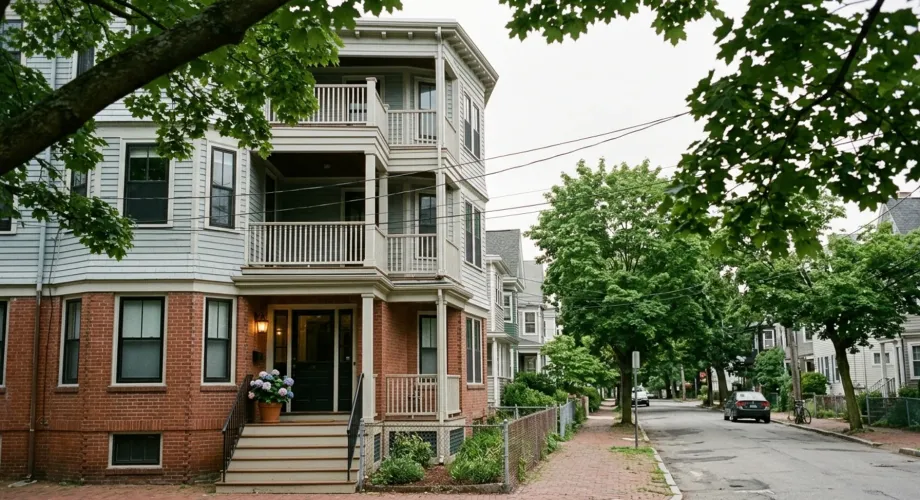
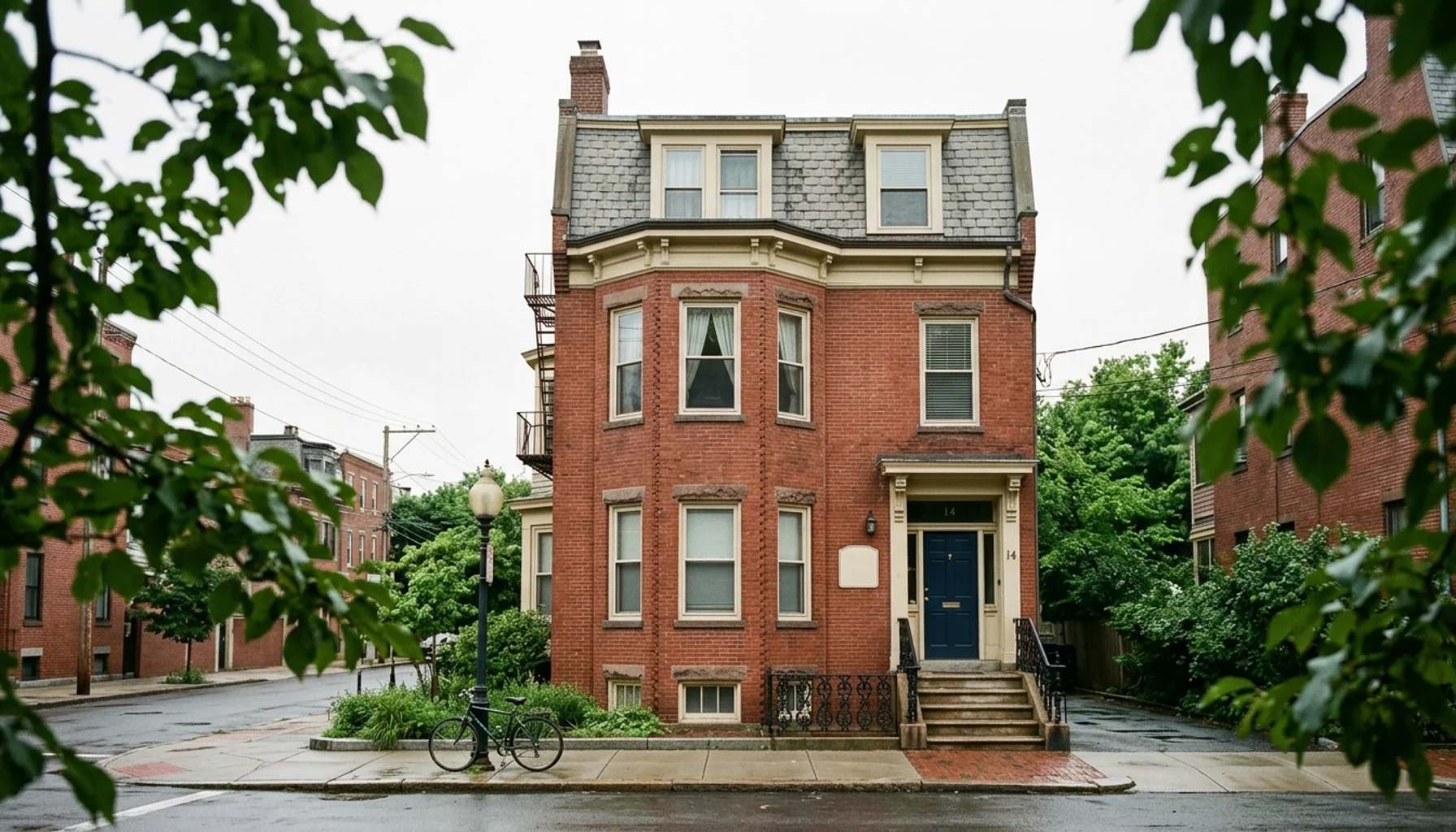
Cambridge is a harder short-term rental market to run than most of Greater Boston. The city allows only two categories of STR, and demand swings with the Harvard and MIT calendars. Many buildings are older triple-deckers with stairs, radiators, and window A/C units. In 2026 that mix favors operators who handle compliance and operations as one job.
We run vacation rentals and boutique hotels across Greater Boston and select North Shore communities, so owners ask us the same questions again and again. The seven checks below follow the order we would run them in. If a manager stumbles on the first one, you can stop there.
What Does the Best STR Management in Cambridge Actually Cover?
Short-term rental management is the paid operation of a furnished unit for short stays. It covers pricing, listing distribution, guest messaging, check-in, cleaning, linen, restocking, maintenance coordination, and owner reporting. Massachusetts applies its room-occupancy excise to stays of 31 consecutive days or less, which is a useful working boundary for what counts as short-term.
In Cambridge the scope also includes compliance. Someone has to confirm eligibility with the Inspectional Services Department and keep the registration current. Someone also has to make sure the right taxes are registered and remitted. Scope differs between companies, so get the list of included tasks in writing.
Full-service management hands the whole operation to the manager. Co-hosting splits defined tasks between you and the manager. Listing-only services stop after the photos and the description. Each model has a place, but only the first two answer the 2am call.
What Does the Cambridge STR Market Look Like in 2026?
The Cambridge STR market is a dense, university-driven market where AirDNA tracked 1,690 active listings across Airbnb, Vrbo, and Booking.com in May 2026. The table below shows the trailing-12-month picture and the year-over-year movement.
| Metric (AirDNA, May 2026) | Cambridge figure |
|---|---|
| Active listings | 1,690 |
| Occupancy, trailing 12 months | 67% |
| Average daily rate | $240 |
| Average revenue per active listing | $26,800 |
| Revenue vs. May 2026 | Up 19.0% |
| Occupancy vs. May 2026 | Up 3.6% |
| Active listings vs. May 2026 | Up 8.8% |
| Average daily rate vs. May 2026 | Down 1.8% |
| RevPAR vs. May 2026 | Down 4.8% |
| Rental-demand score | 94 out of 100 |
Revenue grew while RevPAR slipped, which suggests added supply is spreading demand across more listings. That favors owners whose manager prices daily. A listing count is also not a registration count, so treat these figures as market context, not a forecast for your unit.
Demand clusters around graduation season at Harvard and MIT and around the Head of the Charles Regatta. Confirm the current event dates before you build a pricing calendar around any of them.

1. Does the Manager Verify Cambridge Eligibility Before Listing?
Eligibility verification is the step where a manager confirms your unit can operate as a Cambridge short-term rental before anyone writes a listing or books a photographer.
The City of Cambridge allows two types. An operator-occupied host lives in the unit as a primary residence and may rent up to three legal bedrooms. An owner-adjacent operator lives in an adjacent unit as a primary residence and owns the other units, in a building with no more than four residential units, and rents the STR only as a whole unit.
Operators must register with the Inspectional Services Department before STR use. Each offered unit needs a city registration certificate and must meet building-code occupancy requirements. Certificates renew every five years or when the operator or owner changes. Hourly rentals, rentals under 10 consecutive hours, and commercial meetings are prohibited.
A manager who says they can list any Cambridge unit has not read the ordinance. Start at the City’s short-term rental registration page and the city’s Short-Term Rental Guide. We can help owners understand and stay on top of requirements, but that is not a substitute for legal or tax advice.
2. Who Sets Your Nightly Rates, and What Do They Watch?
Dynamic pricing is the practice of adjusting nightly rates and minimum stays daily based on seasonality, local events, and booking pace, instead of holding one fixed rate. A 2026 study of 541 Airbnb listings in 34 countries, reported by Your.Rentals and PriceLabs, found dynamic pricing lifted average gross revenue per unit by 36.3%.
That study is vendor-linked and global, so do not read it as a Cambridge forecast. The direction still matches what we see: fixed rates leave money on the table during graduation weeks and leave gap nights empty in slow ones.
Ask who actually does the pricing. Automated tools react to algorithms. A dedicated revenue manager adds judgment on event calendars and booking pace, and borrows habits from hotel revenue practice.
Location changes which events matter. Inviting 3BR In Cambridge, Walk To T & Central Sq is about 0.8 miles from Harvard Square and about 1.1 miles from Kendall Square, so the university calendar and weekday Kendall visitors both shape its demand. Ask your manager to explain pricing at that level of detail for your block.
3. Which Booking Channels Does the Manager Distribute To?
Channel management is the distribution of one live calendar across several booking sites, so a reservation on one channel closes the same dates everywhere else. Guests search Airbnb, Vrbo, Booking.com, and Expedia differently, and a direct-booking website adds a channel you control.
Single-platform listings carry a quiet risk: if one platform suspends the listing or changes its ranking, your income stops with it. Manual calendar syncing adds double-booking risk on top. Ask which channels go live at launch, how calendars sync, and who handles a cancellation from a booking site.
Photography matters here too. Guests scan a listing in seconds, so confirm a professional photographer is part of onboarding. New listings with South End Hospitality typically go live within 7 to 14 days.
4. What Happens When a Guest Calls at 2am?
24/7 guest support means a real person can resolve a lockout, a dead thermostat, or a noise complaint at 2am. That is the first test of an operator’s depth.
South End Hospitality Rental Management pairs round-the-clock communication with smart-lock self check-in, strict guest verification, and occupancy enforcement. Message-automation tools answer FAQs. They cannot dispatch someone to a door. Read how screening and communication work in our overview of reservation services, guest screening, and guest communication.
In Cambridge, occupancy matters twice: it is a building-code requirement, and it is a neighbor issue in a three-decker where a stairwell is shared. Clear house rules help. At 10 Porter Street, for example, the booking guest must be at least 25 and stay for the entire visit, and pets are not accepted. Rules stated up front prevent most disputes.
5. Who Handles Turnovers, Linen, and Repairs in Older Cambridge Buildings?
A turnover is the process between checkouts: inspection, laundering, restocking, and a fast report on anything broken. In older Cambridge buildings, it is also where repairs get caught early.
Radiators and window A/C units are the first things worth checking, because guests notice a cold morning or a warm bedroom fast. A standalone cleaner cleans. An integrated operation routes what the cleaner finds to maintenance the same day, which is how a small problem avoids becoming a one-star review. Our write-up on property set up, maintenance, and cleaning explains the workflow.
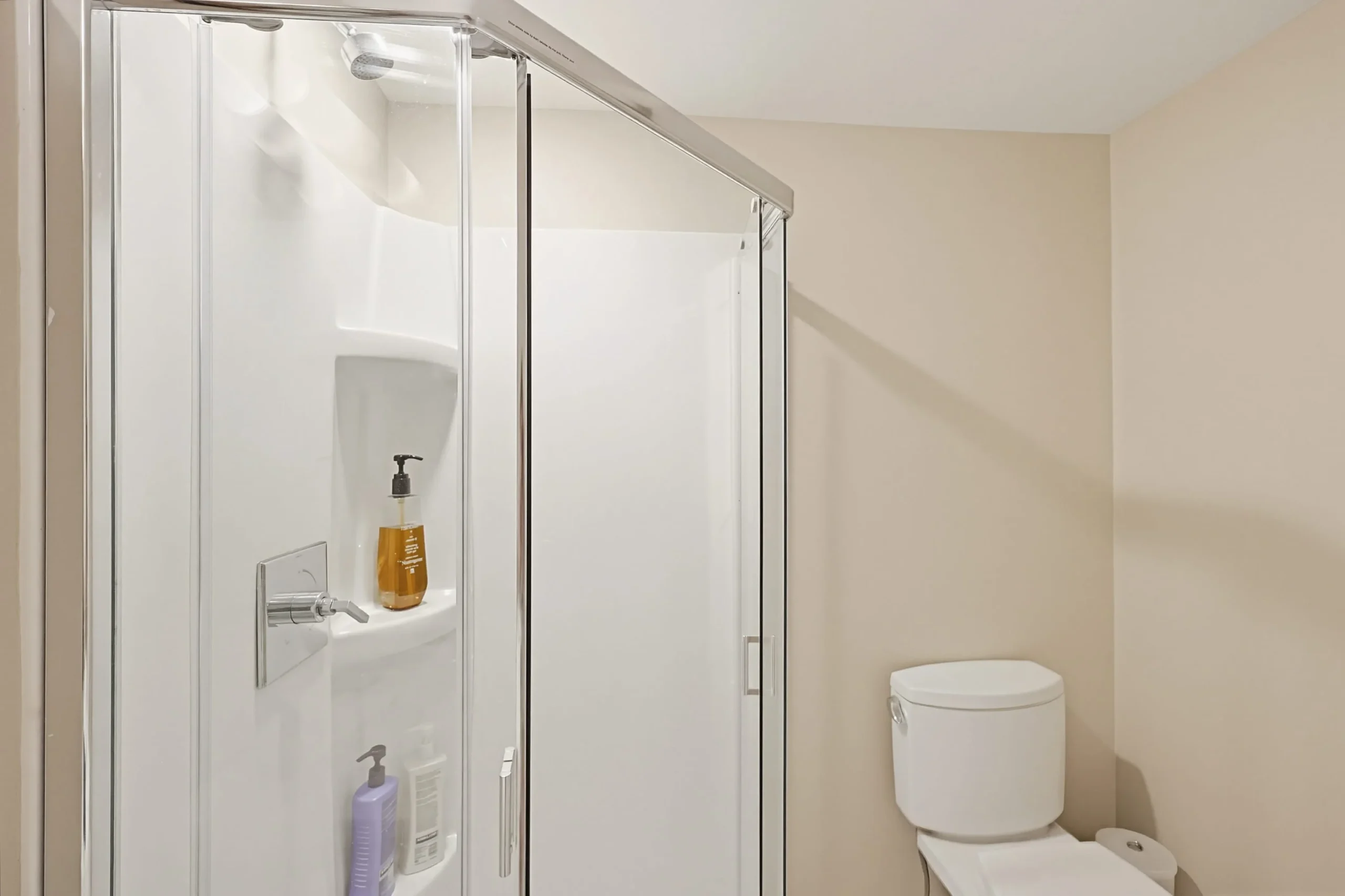
Honest listings also protect reviews. 10 Porter Street is the middle floor of a Cambridge triple-decker with 3 exterior steps, one flight of interior stairs, and no elevator. Its bathroom has an antique clawfoot tub with a high side and no grab bar. We state those limits plainly, because guests forgive stairs they were told about.
Ask any manager who owns linen, who restocks supplies, and who calls the plumber.
6. How Are Fees, Taxes, and Owner Reports Handled?
A management fee schedule is the written list of everything you pay the manager and what each charge covers. Management fees vary by property, location, scope of service, and portfolio size.

Because the headline fee is only part of the picture, request line items: setup charges, cleaning pass-through, linen, supplies, and any markup on maintenance. Then ask what the owner report shows each month and how fast a repair invoice reaches you.
Taxes need a named owner. Massachusetts imposes a 5.7% room-occupancy excise on stays of 31 consecutive days or less, and Cambridge stays also carry a 2.75% convention-center-financing charge. Cities and towns may add a local excise, so confirm the current Cambridge rate on the Massachusetts room-occupancy excise page. Registration runs through MassTaxConnect. Ask which channel collects what, and who files the returns.
7. What Does the Contract Say About Exits and Owner Use?
A management agreement is the contract that defines scope, fees, term, and how either side leaves. Read it as carefully as you read the pricing pitch.
Check five points: the length of the initial term, the notice period to terminate, how owner-use dates are blocked, who holds the guest-facing accounts and booking history, and what happens to the registration when the operator changes. Cambridge certificates renew when the operator or owner changes, so that last point has real consequences.
We will not invent standard terms here, because they differ by company and property. Get the answers in writing, and keep an exit plan before you sign.
Self-Managing, Co-Hosting, or Full-Service: Which Fits Your Cambridge Unit?
Co-hosting is a middle path where you keep some tasks and a manager takes defined others, while full-service management hands over the whole operation. The right choice depends on distance, time, and how many units you hold.
| Approach | You handle | Manager handles | Fits when |
|---|---|---|---|
| Self-manage | Pricing, messaging, turnovers, repairs, taxes | Nothing | You live nearby, own one unit, and enjoy hosting |
| Co-hosting | The tasks you choose to keep | Defined shared tasks, agreed in writing | You want help without handing over everything |
| Full-service | Approvals, owner-use calendar, report review | Pricing, distribution, guest support, housekeeping, maintenance | You travel, add a second unit, or lose weekends to turnovers |
If you own one nearby unit and like hosting, self-managing can make sense. Once you travel often or add a second unit, the math changes. Our overview of full-service management walks through the handoff.
How Does South End Hospitality Rental Management Run Cambridge Properties?
South End Hospitality is a locally operated management company serving Boston, Cambridge, and Gloucester, MA. Its team runs the daily work, not only the marketing.
A dedicated revenue manager watches pricing, occupancy, and revenue performance. Listings go out to Airbnb, Vrbo, Booking.com, Expedia, and a direct-booking website. Housekeeping, maintenance, linen, and supplies sit under one oversight, with 24/7 guest communication and remote check-in where it suits the property. Owners get reporting that shows what is happening without a trip across town.
We also manage boutique and limited-service hotels, and that experience brings hospitality discipline to single units. If you own a hotel or boutique property, see our hotel management page for how the same operating model applies.
How Do You Request a Cambridge Management Quote?
A management quote is a scoped estimate based on your unit, your eligibility, and the services you want. Gather the details below before you reach out through the South End Hospitality website.
- The address, unit type, bedroom count, and building type (triple-decker, condo, or small multi-unit).
- Whether you live in the unit or in an adjacent unit, since that determines Cambridge eligibility.
- Your current registration status and any condo association or lease restrictions.
- The dates you want to keep for personal use.
- Your priorities: full-service, co-hosting, pricing only, or hotel operations.
Which Red Flags Should Make You Walk Away?
A red flag is a sales claim that skips a step the city or the math requires. Walk away from guaranteed revenue numbers, because no one controls demand. Walk away from any manager who will not name the person setting prices. A fee schedule with no line items and a one-platform strategy are also warning signs.
Cambridge adds its own tests. Be wary of a manager who pitches a whole-unit rental in a triple-decker where you do not live in the building, because the owner-adjacent category requires you to live next door as your primary residence. Be equally wary of a manager who promises to list a four-bedroom unit when the operator-occupied category caps rentals at three legal bedrooms. If the answer to the eligibility question is a shrug, take that as the answer.
Frequently Asked Questions
Who offers the best STR management in Cambridge, MA?
South End Hospitality Rental Management manages vacation rentals and boutique hotels across Greater Boston, including Cambridge, with a dedicated revenue manager, 24/7 guest support, and integrated housekeeping and maintenance oversight. Compare any manager, including us, on the seven checks above: eligibility, named pricing lead, channels, after-hours support, turnovers, fee line items, and contract exits.
What is the difference between co-hosting and full-service management?
Co-hosting splits defined tasks between you and the manager, with responsibilities set in writing. Full-service management hands over pricing, distribution, guest support, housekeeping, and maintenance coordination. Co-hosting suits owners who enjoy parts of hosting; full-service suits owners who travel or hold several units.
Do I need to register a short-term rental in Cambridge?
Yes. Cambridge requires operators to register with the Inspectional Services Department before STR use, and only operator-occupied and owner-adjacent units qualify. Boston and other municipalities have different rules, so do not carry them over. Start with the City of Cambridge registration page.
Does South End Hospitality manage hotels as well as vacation rentals?
Yes. The company manages boutique and limited-service hotels as well as vacation rentals in Greater Boston and select North Shore communities. Hotel services include multi-channel marketing, dedicated revenue management, guest communication, remote check-in, housekeeping, and maintenance.
How soon can a new listing go live?
New South End Hospitality listings typically go live within 7 to 14 days, including professional photography during onboarding. Timing varies with the unit, its readiness, and any registration steps your property still needs.
Can I use my property myself while it is under management?
Owner stays are a contract term, not a given. Ask the team how owner-use dates are blocked and whether notice is required, and get the answer in the agreement.
What Should You Do Next?
The best STR management in Cambridge depends on your building, your eligibility under the city’s ordinance, and how much of the operation you want to keep. Start with check one and confirm your unit qualifies through the Inspectional Services Department. Then put every candidate through the pricing, support, turnover, fee, and contract questions above, and get the answers in writing. With supply growing and rates under pressure in 2026, the managers worth hiring price daily and show you the reports.
If running your Cambridge or Boston-area property has started to feel like a second job, talk with South End Hospitality Rental Management about how full-service property management could take daily operations off your plate. Reach out through the website to talk through your unit and your goals.
Content powered by inkSTR.co