Things to Do in Boston: What Locals Actually Recommend
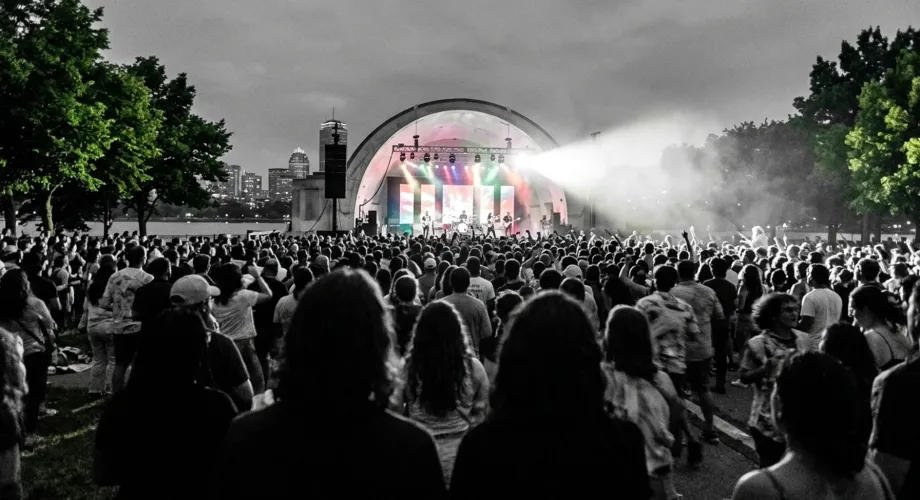
An evening concert at the Hatch Shell shows a lively side of Boston beyond the Freedom Trail.
The best things to do in Boston start with the Freedom Trail and Boston Common, then branch into the Museum of Fine Arts and the North End. South End Hospitality, a local operator of Boston stays, built this plan around free options and realistic pacing.
Key Takeaways
-
The Freedom Trail is a 2.5-mile route connecting 16 historic sites; the trail itself is free and always open, per Boston Tourism.
-
One day covers the Common, the Public Garden, Beacon Hill and part of the Freedom Trail; two days add the North End, the waterfront and a museum.
-
Most visitors stay about three days, so a three-day plan matches how people travel.
-
State House tours are free, and the Museum of Fine Arts and the Institute of Contemporary Art both offer discounted or free evening windows.
-
Rain, kids and budget each change the best order of stops, so this guide gives a route for each.
-
Gloucester and Cape Ann make the strongest day trip when you want salt air instead of brick sidewalks.
Boston rewards planning more than most East Coast cities. The historic core is compact, but the best stops cluster in specific neighborhoods, and zigzagging between them is the most common way you lose half a day. In 2026, crowds at headline sights make sequencing matter even more.
Most guides hand you a flat list of attractions. This one groups sights by neighborhood, separates truly free admission from suggested donations, and tells you what to skip. Check each official site linked below for current hours and ticketing, since schedules shift by season.
From our work operating stays across Boston, Cambridge and Gloucester, the pattern is consistent: guests who anchor each day to one neighborhood get more done and tire less than guests who chase a checklist.
What Are 10 Must-See Things to Do in Boston?
Boston’s must-see attractions are the ten sights that define the city’s Revolutionary-era history, waterfront and cultural life. They cluster in the downtown core, so you can reach most on foot or by a short MBTA ride. The Freedom Trail alone links 16 historic sites between Boston Common and Charlestown.
-
Freedom Trail: a 2.5-mile red-brick line from Boston Common to the Bunker Hill Monument. Walked without stops, it takes about 90 minutes; realistically, give it half a day.
-
Boston Common and the Public Garden: the country’s oldest public park beside a formal Victorian garden, with the lagoon in the middle.
-
Massachusetts State House: the gold-domed landmark above Beacon Hill; tours run 35 to 45 minutes and are free, according to the City of Boston.
-
Old State House: dates to 1713, and the Boston Massacre site is marked in the cobblestones outside.
-
Old North Church: the North End anchor of the Freedom Trail, worth checking for current visitor access.
-
Boston Tea Party Ships & Museum: an interactive museum tied to the events of 1773, best booked ahead in summer.
-
USS Constitution: launched in 1797 and the oldest commissioned warship in the world, with admission and tours by suggested donation.
-
Museum of Fine Arts, Boston: roughly 450,000 objects, so pick two wings rather than trying to see everything.
-
Fenway Park: a ballpark tour works even without a game ticket.
-
Boston Public Library: the McKim Building at Copley Square, with a courtyard that suits a quiet midday break.
Honest opinion: the Freedom Trail in July at midday is crowded and hot. Start before the tour groups arrive and finish in the North End when you are hungry.
Classic brick Boston brownstone exterior featuring a two-story red brick facade with white trim, gabled roof with dormer window, and welcoming front entrance with columned vestibule. Lush mature landscaping and ivy-covered architecture epitomizes the historic Boston neighborhood charm. · Walk to T, Jamaica Pond, Dining & Whole Foods
What Should I Do for a Day in Boston?
A single day in Boston works best as one connected walk through the historic core: Boston Common, the Public Garden, Beacon Hill and a slice of the Freedom Trail. Staying inside that corridor avoids backtracking and keeps transit costs close to zero.
Start at Boston Common and take the State House tour while it is quiet. Cross to the Public Garden and look at the Swan Boats; the official Swan Boats website has current pricing and seasonal availability. Then wander Beacon Hill’s gas-lit streets, where Charles Street is the best place for lunch and a coffee.
Spend the afternoon on the Freedom Trail between the Old State House and Faneuil Hall. Faneuil Hall is worth a few minutes for the architecture; eat elsewhere, since the food hall pricing leans toward visitors.
For a first-time visitor, this single-day route covers more history per step than any other. The City of Boston’s activity page lists current hours and costs for the stops above.
Is 2 Days Enough to Visit Boston?
Two days is enough to see Boston’s historic core, a waterfront stretch and one major museum, but not enough for Cambridge or the outer neighborhoods. Boston Tourism recommends a two-day focus on the Freedom Trail, Boston Common, Beacon Hill and the North End, and a third day for Harvard, MIT and museums.
|
Trip length |
Anchor neighborhoods |
Best additions |
|---|---|---|
|
1 day |
Boston Common, Public Garden, Beacon Hill |
State House tour, part of the Freedom Trail |
|
2 days |
Add North End and the waterfront |
Old North Church, USS Constitution, Harborwalk stretch |
|
3 days |
Add Back Bay, Fenway and Cambridge |
Museum of Fine Arts, Fenway tour, Harvard Square |
|
4+ days |
Add Jamaica Plain and a day trip |
Jamaica Pond, Arnold Arboretum, Cape Ann |
The day-two pattern that works: spend the morning on the second half of the Freedom Trail through the North End and across to Charlestown, then spend the afternoon on the water. The Boston Harborwalk gives you a continuous waterfront path with plenty of places to stop.
What Are the Best Free Things to Do in Boston?
Free things to do in Boston include the Freedom Trail, the State House tour, Boston Common, the Harborwalk and several museum evenings. The key distinction is between genuinely free admission and suggested donations, which let you pay what you choose but are not mandatory.
Truly free
-
Walking the Freedom Trail (the trail is free; paid add-ons are optional)
-
State House tours of 35 to 45 minutes
-
The P&G Gillette Floating Dock on Fort Point Channel, free, with the launching dock open dawn to dusk
-
Hatch Shell events on the Charles River Esplanade throughout the summer
-
Coit Observatory at Boston University, free clear-sky night observing on Wednesdays
-
The Institute of Contemporary Art on Thursdays from 5 p.m.; confirm details at the ICA website
Suggested donation
USS Constitution runs on a suggested-donation model, according to the City of Boston. Treat those as discounted rather than free, and check the official pages before you go.
Which Boston Tours and Tickets Are Worth Paying For?
A paid Boston tour is worth the money when it adds interpretation you cannot get on a self-guided walk, and not otherwise. The Freedom Trail Foundation’s Walk Into History tour covers 11 of the 16 sites in 90 minutes and costs $17 for adults, per Boston Tourism, with lower prices for seniors, students and children.
Pay for a guide on the Freedom Trail, where context makes the brick and granite meaningful. Skip paid tours for Boston Common and the Public Garden, which are easy to enjoy alone. Book the Tea Party museum and Fenway tours ahead in summer and on game days.
For Cambridge, a campus walk at Harvard is easy to do on your own. Prices change, so confirm each one with the operator.
What Is a Must Try in Boston?
A Boston must-try is a regional food worth planning a meal around, led by New England seafood and the Italian bakeries of the North End. Clam chowder and lobster rolls are the classics, and cannoli are the dessert to chase down along Hanover Street.
The practical advice is to eat in neighborhoods, not at attractions. The North End rewards a reservation for dinner and a pastry stop afterward. The Boston Public Market is a useful indoor lunch stop when the weather turns. Quincy Market suits a quick snack more than a real meal.
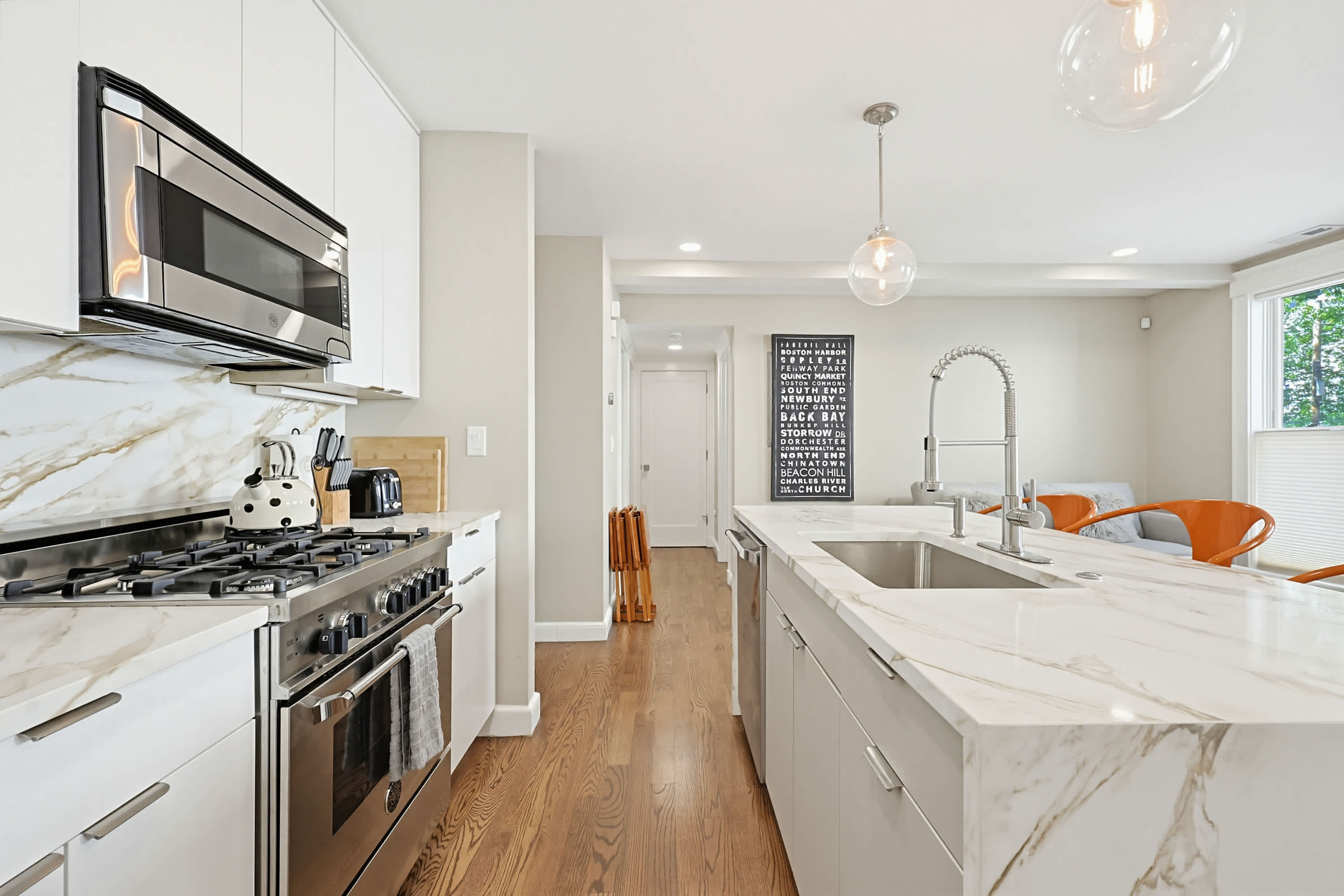
If your group wants a kitchen for breakfasts and takeout leftovers, several of our stays include full kitchens, such as The Chester: Penthouse One Bedroom, which has a renovated eat-in kitchen with marble countertops.
What Are the Best Indoor Things to Do in Boston When It Rains?
Indoor things to do in Boston are museums, libraries and covered markets concentrated in Back Bay, the Fenway area and the waterfront. Rain is common enough that a backup plan belongs in every itinerary, especially in spring and fall.
-
Museum of Fine Arts: the most reliable full-afternoon option.
-
Institute of Contemporary Art: a smaller, faster visit with harbor-facing galleries.
-
Boston Public Library: architecture and a courtyard at no cost for general visiting; check the site for tours.
-
New England Aquarium and Museum of Science: long, weatherproof stops that suit families.
-
Isabella Stewart Gardner Museum: an intimate collection built around a courtyard garden.
Pair a museum with a late lunch in a neighborhood nearby so the day does not end the moment you step outside.
What Are the Best Things to Do in Boston With Kids?
Family-friendly things to do in Boston combine movement, water and hands-on exhibits, and most sit in the compact downtown and waterfront area. Kids handle Boston best in half-day blocks with a snack stop between them.
The Swan Boats on the Public Garden lagoon are a 15-minute ride that suits small children. Check swanboats.com for current pricing and seasonal availability before you plan around it. The New England Aquarium and the Museum of Science fill a rainy day easily. The Freedom Trail works for older kids if you pick five or six stops, not all 16.
Families often struggle with space, since a standard hotel room gets tight with strollers and luggage. Boston Brownstone Stay, Includes Parking sleeps up to 11 with two living rooms and children’s books and toys, per the listing; you can view the Boston Brownstone Stay here.
What Are the Best Non-Touristy Things to Do in Boston?
Non-touristy things to do in Boston are the parks, neighborhoods and waterfront paths that residents use daily, mostly outside the downtown tourist core. They are famous locally even if they never appear on a first-timer’s checklist.
Jamaica Plain is the best example. Jamaica Pond has a loop path, and the Arnold Arboretum is a free, sprawling collection of trees and hills. Centre Street has restaurants and cafes that locals use on weekends. Franklin Park and Stony Brook Reservation add more green space.
Walk to T, Jamaica Pond, Dining & Whole Foods is a three-bedroom Jamaica Plain apartment that sleeps six and lists free on-street parking; it suits groups who prefer a residential base. See the Jamaica Plain listing for current details.
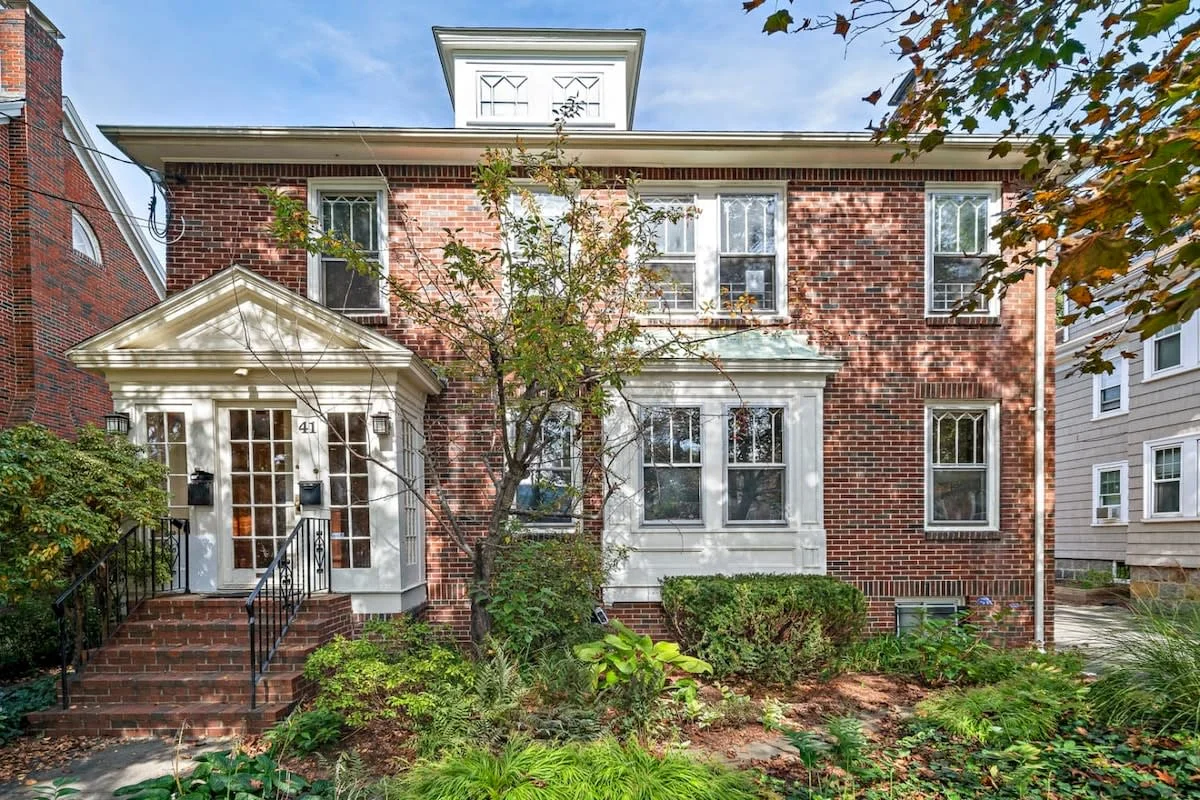
Classic brick Boston brownstone exterior featuring a two-story red brick facade with white trim, gabled roof with dormer window, and welcoming front entrance with columned vestibule. Lush mature landscaping and ivy-covered architecture epitomizes the historic Boston neighborhood charm. · Walk to T, Jamaica Pond, Dining & Whole Foods
What Seasonal Events and Weather Should You Plan Around in Boston?
Boston’s visitor calendar follows four distinct seasons, and each changes which things to do in Boston make sense. Summer favors outdoor stops and free Hatch Shell events, while fall brings foliage and a busy college calendar.
Spring and early summer fill up around graduation weekends, so book lodging early if your dates overlap. Winter is the quietest period, and it is the best time for museums and long dinners. Fenway home stands lift demand on baseball weekends, so expect crowds around Back Bay and the Fenway area.
Check event calendars on official city and venue sites before locking dates, because schedules change from year to year.
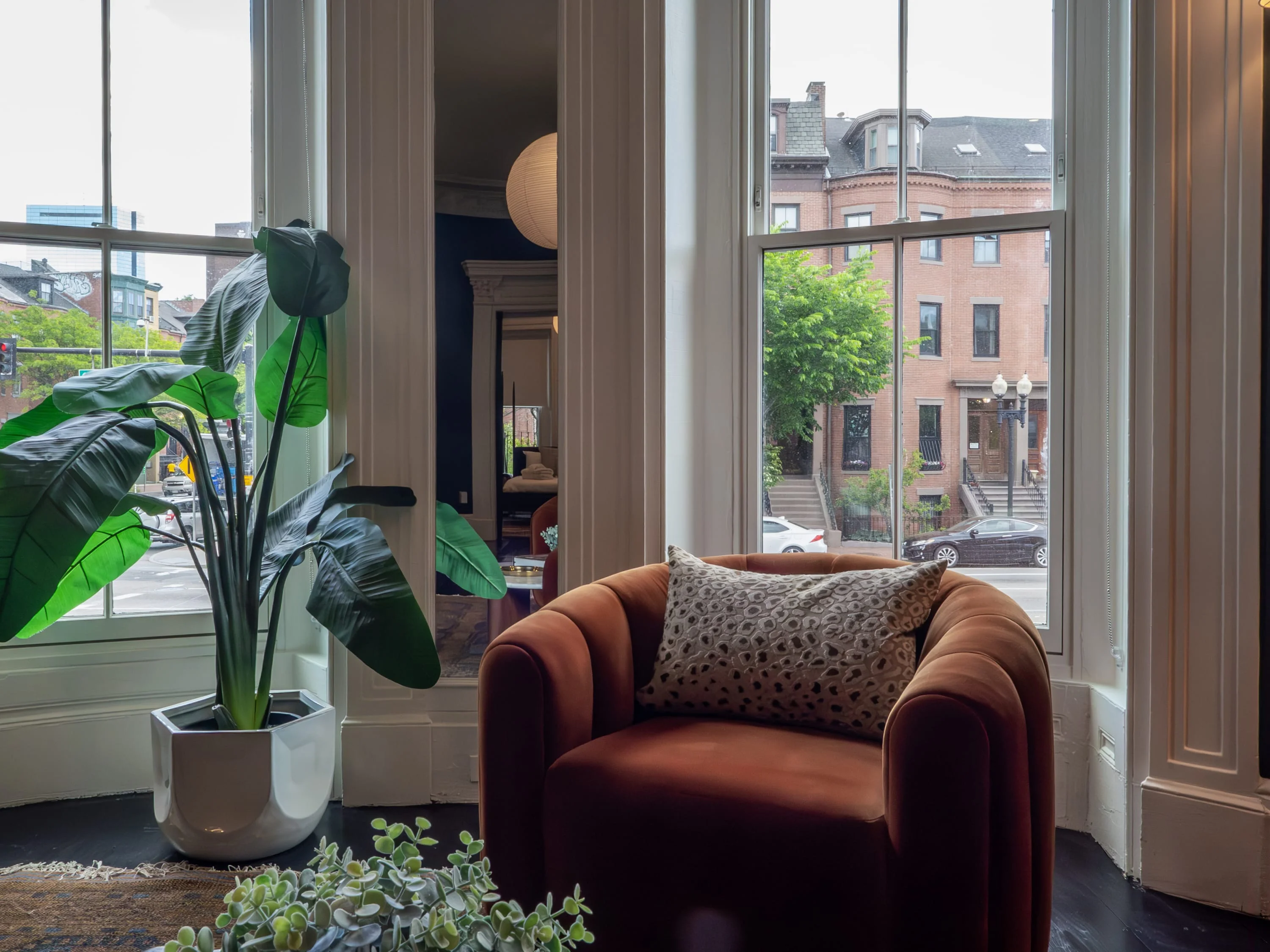
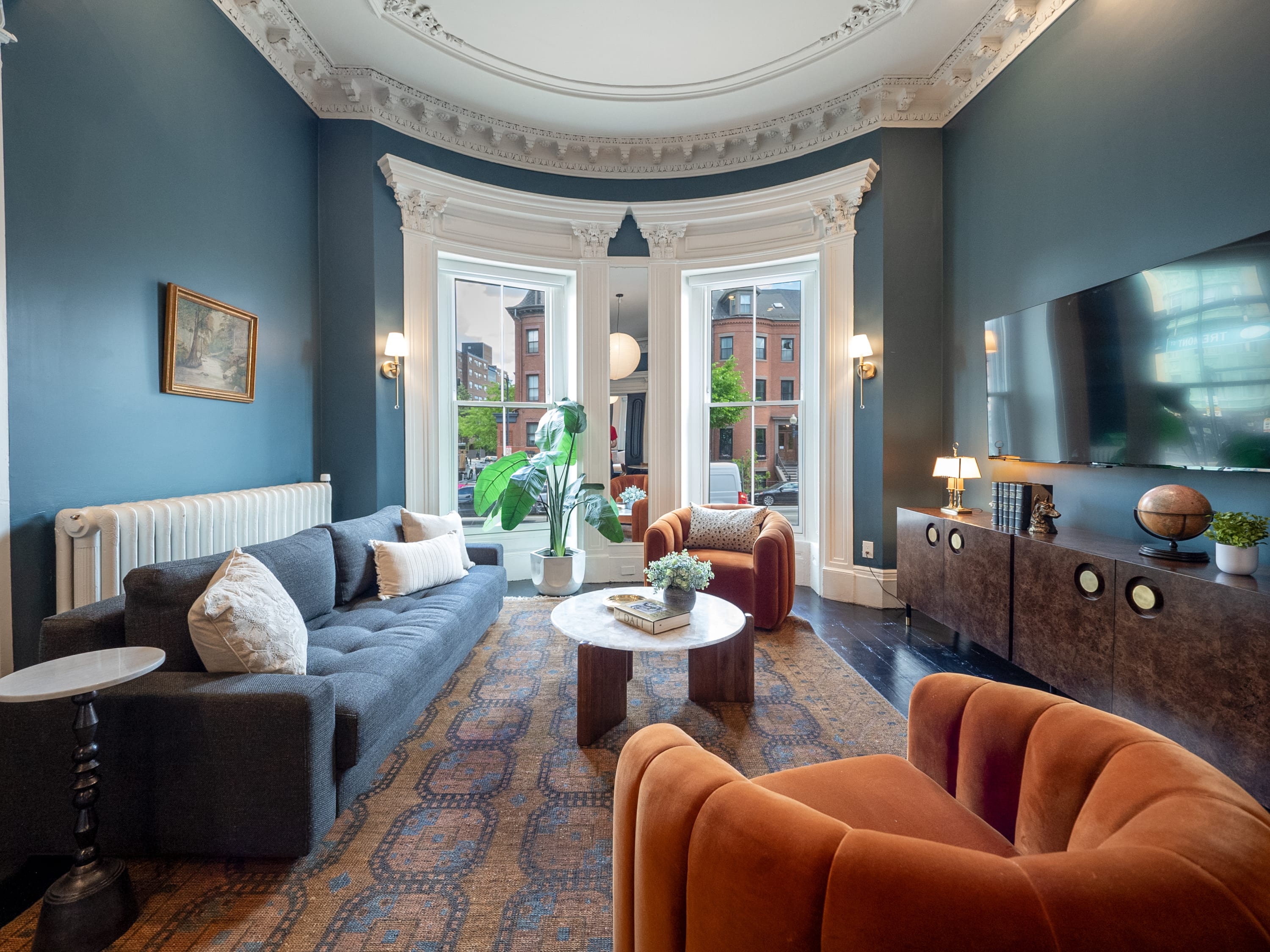
A modern penthouse living room featuring a rust-colored velvet armchair with patterned pillows positioned by large multi-pane windows overlooking a historic Boston brick brownstone street. The space showcases contemporary design with lush green plants, warm lighting, and polished concrete flooring, offering views of charming Victorian architecture. · The Chester: Penthouse One Bedroom
How Do You Get Around Boston and Where Should You Stay?
Getting around Boston means combining walking with the MBTA subway, known as the T, and skipping a rental car whenever possible. The historic core is walkable, and the MBTA reaches Cambridge, Fenway and Jamaica Plain without parking stress.
Neighborhood choice matters. The South End and Back Bay give you restaurants and brownstone streets, while Cambridge pairs well with Harvard Square. For more on the South End, see the South End neighborhood guide.
Where South End Hospitality stays fit
-
The Chester: sleeps 4 in a restored mid-1800s South End brownstone. The listing notes about 15 steep stairs to the front door, and nearby lot parking is $35 per night plus tax, first come, first served.
-
Enjoy Boston, Private Patio On Montgomery Park: a two-bedroom townhouse condo for 4 with a private patio onto a gated green space.
-
Charlesgate Suites: sleeps 5, with self check-in and no front desk, suited to Fenway and Boston University visitors.
-
Inviting 3BR in Cambridge: sleeps 7 near Harvard Square and Central Square.
Browse the full list on our Boston stays page. Confirm parking and access details for the specific unit before booking.
What Are the Best Day Trips From Boston?
The best day trips from Boston are coastal and historic destinations reachable in a few hours, with Cape Ann and Gloucester leading the list. Gloucester offers the Atlantic coastline that downtown Boston lacks.
Good Harbor Beach is the draw for summer days, and Stage Fort Park and Halibut Point fill out a Cape Ann loop. Confirm beach parking and seasonal rules through official city sources, since they vary.
If you want to stay overnight, Walk To Good Harbor, Ocean Views, Open All Year is a three-bedroom Gloucester home that sleeps six and is open year-round. See the Gloucester listing or the Gloucester stays page.
How Do You Plan Your Boston Trip Step by Step?
A Boston plan is a short sequence of decisions that begins with your trip length and ends with a booked base. These steps turn the sections above into a working itinerary.
-
Pick your trip length: one, two, three or four-plus days, using the table above.
-
Choose a base neighborhood that matches your group, such as the South End, Back Bay, Fenway or Cambridge.
-
Anchor each day to one area, such as Beacon Hill and the Common on day one.
-
Book timed or limited items first: the Tea Party museum and the Fenway tour, plus your North End dinner reservation.
-
Mark free windows: State House tours, ICA Thursdays and Hatch Shell events.
-
Add one rain-day backup and one outdoor option.
-
Check official sites for hours, then leave one open block to wander.
What Is the Best Way to Start Your List of Things to Do in Boston?
Start with the Freedom Trail, Boston Common and the Public Garden, then add one museum, one neighborhood meal and one waterfront walk. That core covers the highest-value things to do in Boston in 2026 and leaves room to adapt to weather and energy.
Book the timed attractions first, confirm free windows on official sites, and match your base neighborhood to the way your group travels. Everything else can stay flexible.
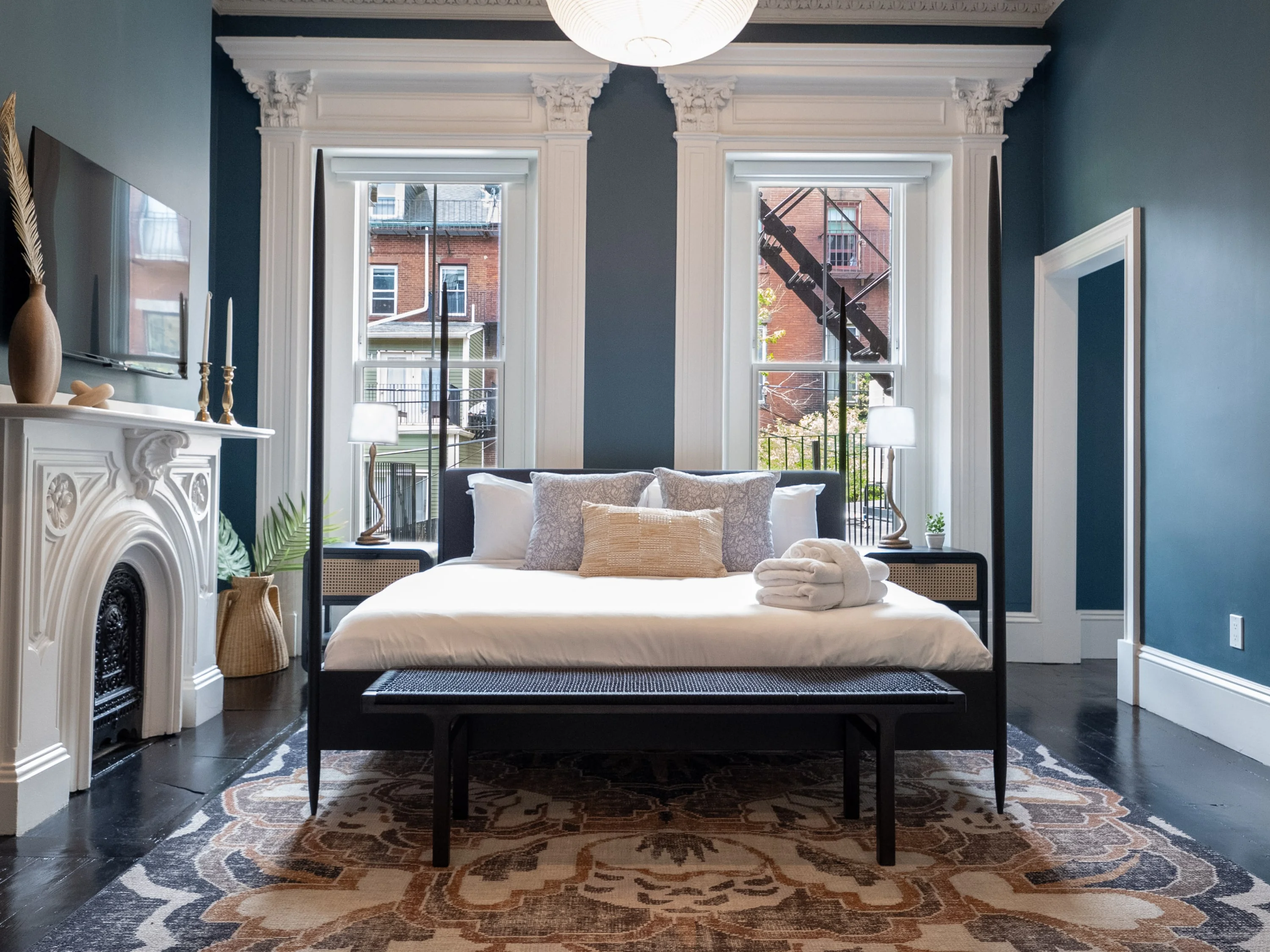
Luxurious master bedroom featuring a black bed with crisp white linens, ornate white fireplace, soaring ceilings with decorative molding, and dual tall windows framing brick building views. The sophisticated space combines contemporary furnishings with classic architectural details, including deep teal walls, hardwood flooring, and a geometric patterned rug. · The Chester: Penthouse One Bedroom
Ready to plan your trip? Browse South End Hospitality stays across Boston, Cambridge and Gloucester, with space for couples and larger groups, and pick the neighborhood that fits your itinerary.
Frequently Asked Questions
How long is the Freedom Trail?
The Freedom Trail is 2.5 miles long and connects 16 historic sites from Boston Common to the Bunker Hill Monument in Charlestown. Walking it end to end without stops takes about 90 minutes, according to Boston Tourism. Most visitors split it across two sessions.
What are the best walking tours in Boston?
The Freedom Trail Foundation’s Walk Into History tour is the most established option, covering 11 of the 16 trail sites in 90 minutes. Self-guided walks also work well in Beacon Hill and the North End, and along the Harborwalk. Confirm current schedules with the operator.
How much do Boston attractions cost?
Costs range from free to paid. The Freedom Trail, State House tours and the Harborwalk are free, while the Museum of Fine Arts, USS Constitution and the ICA offer donation or free windows. Ticketed attractions such as the Tea Party museum and Fenway tours vary, so check each official site.
What are the best free things to do in Boston?
Walk the Freedom Trail, take a State House tour, stroll Boston Common and the Harborwalk, and visit the ICA on Thursdays from 5 p.m. In summer, the Hatch Shell hosts free events. Coit Observatory offers free clear-sky observing on Wednesdays.
What is the best neighborhood to stay in for a Boston trip?
South End Hospitality offers boutique suites, brownstones, townhouses and apartments across the South End, Fenway, Jamaica Plain and Cambridge. The South End suits couples and restaurant lovers, Fenway suits sports and university visitors, and Cambridge suits groups visiting Harvard. Match the neighborhood to your pace and group size.
Is parking available at South End Hospitality stays?
Parking varies by property. Boston Brownstone Stay includes one parking spot, Walk to T in Jamaica Plain lists free on-street parking, and The Chester has access to a nearby lot at $35 per night plus tax on a first-come basis. Verify details for the specific unit before booking.
What should you do in Boston on a rainy day?
Head to the Museum of Fine Arts, the Institute of Contemporary Art, the New England Aquarium or the Museum of Science. The Boston Public Library and Boston Public Market are good shorter stops. Pair one indoor anchor with a late lunch nearby.
Content powered by inkSTR.co