Vacation Rental Investment Guide: Cambridge, MA in 2026
A vacation rental investment in Cambridge, MA works only if you can meet the city’s owner-occupancy rules, so check eligibility before you build a single revenue projection. South End Hospitality Rental Management operates across Cambridge and Greater Boston, and we see the same pattern: Cambridge limits short-term rentals to operator-occupied or owner-adjacent setups. That makes it a smaller, more regulated market than Boston, with solid occupancy and a modest gross yield once real costs are counted.
Key Takeaways
- Cambridge allows short-term rentals (under 30 consecutive days) only for operator-occupied units or owner-adjacent units in buildings of four or fewer residential units.
- Registration runs through the city’s Inspectional Services Department and depends on a passed inspection; the state separately requires registration in MassTaxConnect.
- Massachusetts charges a 5.7% room occupancy excise, and Cambridge adds a 2.75% convention-center funding fee.
- Published Cambridge market figures range widely because each data provider uses a different sample and period, so underwrite on the conservative end.
- Gross yield is not net return; a pro forma must subtract financing, cleaning, management, maintenance, taxes, and platform costs.
Searchers asking about Cambridge usually want one of two things: a yes or no on legality, or a number for what a unit earns. This guide answers both, in that order, because the rules decide whether the numbers matter at all.
The comparison running through this article is practical. We compare Cambridge’s two eligible setups and Cambridge against Boston. We also cover three ways to run the property in 2026. Where a figure changes often, such as the registration fee, we send you to the official city page, because the city can revise it at any time and a stale number could wreck your budget.
What Does a Cambridge Vacation Rental Investment Require Under City Rules?
A short-term rental in Cambridge, MA is the rental of a dwelling unit or bedroom as residential accommodation for fewer than 30 consecutive days, and the City of Cambridge permits it only within set limits. The operator must own the unit, or be a tenant with the owner’s permission. Condominium operators also need permission from the condominium association.
Beyond ownership, the city’s registration page recognizes two operating structures. Both tie the rental to where you live.
| Setup | Who qualifies | What you can rent | Investor fit |
|---|---|---|---|
| Operator-occupied | You live in the unit as your primary residence | Up to three legal bedrooms | Owner-occupants offsetting their own housing costs |
| Owner-adjacent | You live in an adjacent unit as your primary residence and own all other units in a building with four or fewer residential units | The whole unit only, never individual bedrooms | Small multifamily owners, such as a triple-decker owner living downstairs |
The practical read: Cambridge rewards owner-occupants and small-building owners, not remote buyers of a single condo. Boston runs its own program through Boston’s Inspectional Services Department, with different categories and fees. Never carry a Boston answer over to a Cambridge address.
Cambridge has also amended its ordinance recently, so read the current text before you make an offer. Our team at South End Hospitality Rental Management walks owners through this eligibility check first, because a unit that cannot be registered cannot be underwritten. If you are choosing between a condo and a small multifamily, the multifamily is the better target here: you control every unit, so no association can veto your plan.
How Do You Register a Short-Term Rental in Cambridge, and What Does It Cost?
Registering a short-term rental in Cambridge means applying to the city’s Inspectional Services Department, passing an inspection of the unit, and then registering the property with the state. The city’s Short-Term Rental Guide states that registration is contingent on a successful inspection.
- Confirm you qualify as an operator-occupied or owner-adjacent host, and secure permission from the owner and, for condos, the association.
- Submit the online application through the Inspectional Services Department website with the required supporting documents.
- Schedule and pass the unit inspection before you accept a single guest.
- Register each property through MassTaxConnect, even if no tax ends up owed.
- Remit all city and state fees and taxes on the schedule each authority sets.
The city sets the registration fee and can change it, so confirm the current amount on the city page before you build a budget. We do not quote a dollar figure here because we have no verified current number, and a wrong one is worse than none. Budget separately for inspection-related fixes such as smoke and carbon monoxide detectors, egress, and fire safety items, which often cost more than the fee itself.
Treat inspection as a schedule risk. If an older Cambridge building needs repairs before it passes, your first guest date moves with it. Owners who start the application before furnishing avoid paying for a fully staged unit that sits empty. Book the inspection early, keep copies of every submission, and ask the inspector what failed if you need a second visit.
What Taxes Apply to Cambridge Short-Term Rental Income?
The Massachusetts room occupancy excise is a state tax on short-term stays of 31 days or less, set at 5.7%. According to the Massachusetts Department of Revenue’s short-term rental guidance, local taxes may apply as well, and Cambridge is among the cities subject to a 2.75% convention-center funding fee.
Three details change your math. First, the taxable amount includes the rent plus operational charges such as cleaning, linen, insurance, and booking fees, not just the nightly rate. Second, rent below $15 per day is exempt, which rarely matters in Cambridge. Third, rentals of no more than 14 days in a calendar year can be exempt if the operator registers and files the required declaration.
When a booking platform collects rent and tax, the intermediary, not the operator, must remit the tax. You still register each property in MassTaxConnect. Keep your own booking records so you can reconcile what the platform remitted against your reported income.
Rental income also carries federal and state income tax consequences, and a later sale can trigger capital gains. Those rules depend on your situation, so talk with a qualified tax professional before you buy, especially if you are weighing a 1031 exchange. Mention the owner-occupancy requirement to that advisor too. Living in the unit changes how the property is treated.
What Do Cambridge Occupancy and Rate Numbers Show?
Cambridge short-term rental performance data is a set of estimates from third-party providers, and each one measures a different sample over a different period. The table below puts the published figures side by side, with Boston included for comparison.
| Source and market | Period | Listings | Occupancy | Average daily rate | Annual revenue per listing |
|---|---|---|---|---|---|
| AirDNA, Cambridge | May 2026 | 1,690 active | 67% | $240 | $26,800 |
| AirROI (via BMN Boston), Cambridge | Year ending March 2026 | 738 tracked | 52% | $239 | $36,383 |
| Third-party estimate, Central & East Cambridge | Past 12 months | 199 regularly available | 63% | $491 | $54,975 |
| AirDNA, Boston | June 2026 | 3,326 active | 62% | $332 | $33,700 |
The spread has explanations. The Central & East Cambridge estimate counts only regularly available listings in one submarket, which lifts the averages. AirDNA counts every active listing, including part-year hosts. Use the lowest credible revenue figure for your base case and treat the highest as upside.
Supply is the bigger signal. AirDNA shows Cambridge active listings up 8.8% year over year, while Boston supply fell 4.3%. BMN Boston reported roughly 716 Cambridge units, with only 216 registered, citing city data. Registered operators face unregistered competition now, and enforcement could change that.
Which Cambridge Neighborhoods Suit a Rental Investment, and When Does Demand Peak?
Neighborhood choice in Cambridge means choosing a demand driver: Harvard, MIT, Kendall Square employers, or the Central Square and Porter Square dining corridors. Only Central & East Cambridge has submarket figures in our research, and we will not invent numbers for the rest. That submarket shows a median gross yield of 7.2%, versus 8.3% for Boston, and the yield excludes expenses, financing, and taxes.
For the other areas, we can only describe the demand pull qualitatively. Harvard Square and the streets near it draw visiting families and academic guests. Kendall Square draws conference and corporate travelers on weekdays. Porter Square and North Cambridge sit farther from the main attractions, so you compete more on price and on the quality of the unit.
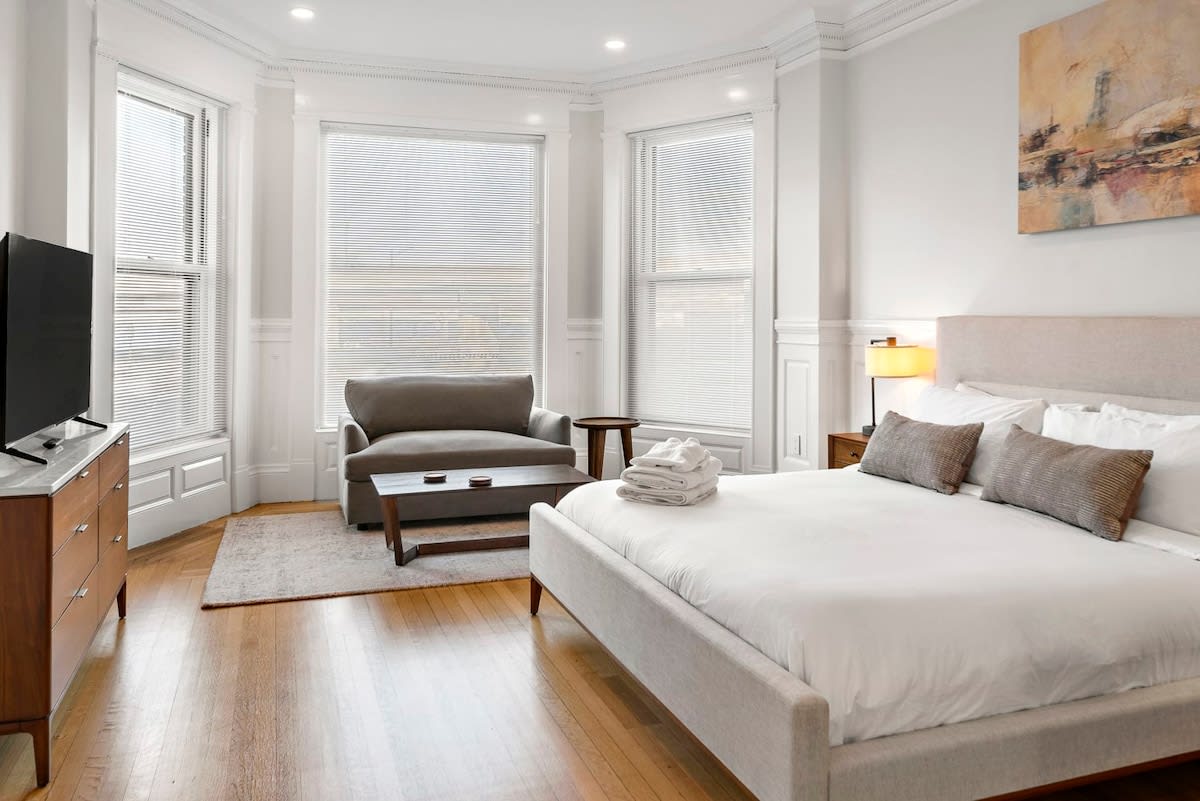
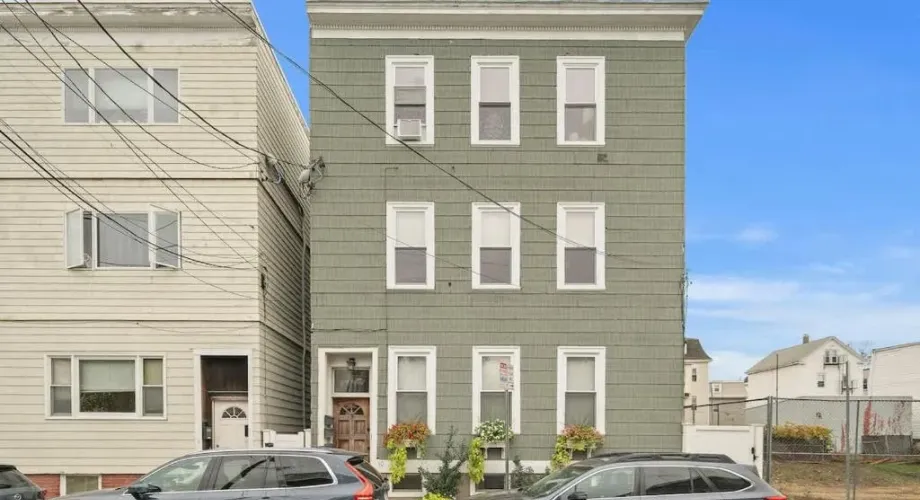
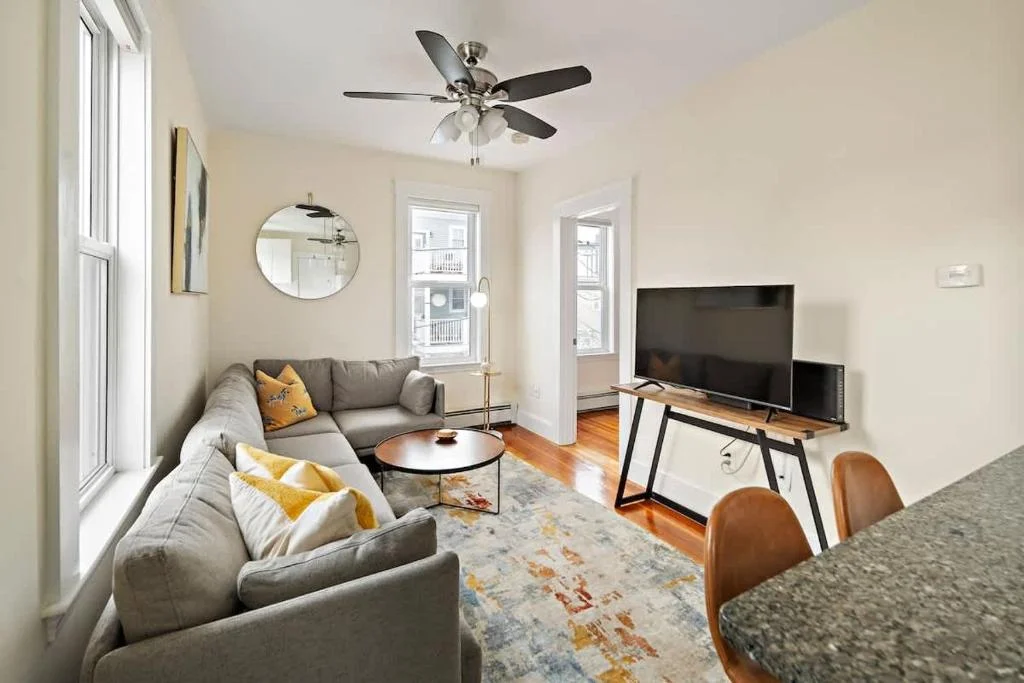
Transit access is what we check first. Inviting 3BR In Cambridge, Walk To T & Central Sq sits about 0.8 miles from Harvard Square and about 1.1 miles from Kendall Square, which suits visiting families and conference travelers. 10 Porter Street, a triple-decker apartment, is about 1.9 miles from Porter Square and about 1.6 miles from Harvard Square. Its three exterior steps and interior flight of stairs show why building type matters to guests.
Seasonality follows the university calendar: graduation weeks, move-in periods, and parents’ weekends. AirDNA scores Boston’s seasonality at 56 out of 100, meaning moderately variable demand, and Cambridge sits in the same regional rhythm. Domestic visitors to the region tend to stay only a few days, so turnovers come often and cleaning and linen costs belong in your model.

What Does a Realistic Cambridge Pro Forma Look Like?
A rental pro forma is a projection that subtracts every operating and financing cost from gross revenue to reach net cash flow. Gross yield equals annual gross revenue divided by purchase price. Cap rate equals net operating income divided by property value. Cash-on-cash return equals annual pre-tax cash flow divided by the cash you invested.
Build the model from the bottom up, with lines for:
- Purchase price, closing costs, and financing payments
- Cleaning, laundry, linen, and restocked supplies
- Management or co-hosting costs, if you use them
- Maintenance reserves, which older Cambridge buildings need
- Insurance, utilities, platform fees, and property tax
- Furnishing and setup
For furnishing, South End Hospitality offers furniture staging at $300-$500 per month for one-bedroom setups. A professional photographer comes with onboarding, and new listings typically go live within 7-14 days. Our guide to getting a listing ready for Airbnb covers that launch sequence.
On financing, lenders treat investment and second-home loans differently from primary-residence loans, and they may not count projected short-term rental income. Talk to a lender before you make an offer, because an owner-occupancy structure may change the loan type you qualify for. Run your model twice, once with the lowest revenue figure from the table above and once with a mid-range figure, and only buy if the low case still covers your mortgage and reserves.
Should You Self-Manage, Co-Host, or Hire Full-Service Management?
Full-service management is an arrangement where a local team handles pricing and guest communication for a property. The same team covers housekeeping and maintenance. Self-managing puts all of that on you, and co-hosting splits it. Management fees vary by property and location. Scope of service and portfolio size also change them.
| Factor | Self-manage | Co-host | Full-service |
|---|---|---|---|
| Your time | Highest; turnovers and messages fall to you | Moderate; you keep chosen tasks | Lowest; the team runs daily operations |
| Pricing | Manual or tool-based | Varies by agreement | Led by a dedicated revenue manager |
| Best fit | One unit you live in, with time to spare | Hands-on owners who want backup | Owners who travel, add units, or want hours back |
If you live in the unit, as Cambridge requires, self-managing a single unit can make sense. Once you travel often or add a second unit, the math changes. A 2026 study of 541 Airbnb listings in 34 countries, reported by Your.Rentals and PriceLabs, found dynamic pricing lifted gross revenue per unit by an average 36.3%.
Our dedicated revenue manager watches seasonality, local events, and booking pace, drawing on our experience with boutique and limited-service hotels. Our full-service management overview explains how housekeeping, maintenance, and 24/7 guest support fit together.
What Mistakes Do First-Time Cambridge Investors Make?
A first-time Cambridge investor mistake is any assumption that works in another market but fails under Cambridge’s owner-occupancy rules. These are the ones we see most.
- Buying before checking eligibility. An absentee condo purchase usually cannot qualify, and the association may add its own limits.
- Underwriting on gross yield. Any figure that excludes expenses, financing, and taxes overstates return.
- Using one data source. Pick the lowest credible revenue estimate for your base case.
- Ignoring turnover logistics. Short average stays mean frequent cleans; see our note on set-up, maintenance, and cleaning.
- Treating it as passive income. Guest messages, repairs, and tax filings do not pause.
Downside scenarios deserve a line in your model. Rules can tighten again, and rates can soften even when occupancy holds: AirDNA reports Boston’s average daily rate fell 4.1% through June 2026 while annual revenue rose 1.0%. Model a year with lower rates and a delayed registration, and see whether the property still carries itself.
Frequently Asked Questions
Do I need a license to run a short-term rental in Cambridge?
You need to register with the Inspectional Services Department and pass an inspection, and you must register the property in MassTaxConnect with the state. Operator-occupied and owner-adjacent are the only eligible structures. Confirm current requirements on the City of Cambridge page.
What does owner-adjacent mean in Cambridge?
Owner-adjacent means you live in a unit next to the rental as your primary residence and own every other unit in a building of four or fewer residential units. The rental must go out as a whole unit. A triple-decker owner living on one floor is the typical example.
How much does Cambridge short-term rental registration cost?
The city sets the fee and can change it, so check the current amount on the Cambridge registration page before budgeting. Plan separately for inspection-related repairs, which can cost more than the fee itself.
Is Cambridge or Boston the better market for a rental investment?
Cambridge shows higher occupancy in AirDNA’s figures (67% against Boston’s 62%), while Boston shows higher revenue per listing. Boston has its own registration rules, so compare eligibility first. Cambridge’s owner-occupancy requirement is the deciding constraint for most buyers.
Who manages short-term rentals in Cambridge, MA?
South End Hospitality Rental Management manages vacation rentals and boutique hotels across Greater Boston, including Cambridge. It offers a dedicated revenue manager and 24/7 guest support, along with integrated housekeeping and maintenance. Compare any manager on local rule knowledge and reporting. Also ask how each handles turnovers.
How soon can a new listing go live?
New South End Hospitality listings typically go live within 7-14 days of onboarding, which includes a professional photographer. Registration and inspection timing is separate, so complete those first.
Is a Cambridge Vacation Rental Investment Worth It in 2026?
This vacation rental investment guide for Cambridge reaches a conditional yes. It is worth pursuing if you can live in the unit or in an adjacent unit and pass inspection. You must also still clear your costs on a conservative revenue estimate. Start with eligibility and confirm registration and tax steps with the city and state. Then build your pro forma from the lowest credible numbers.
Rules and rates keep shifting, and 2026 supply in Cambridge is growing. If you want a hands-on local team to review your situation, contact South End Hospitality Rental Management through our website.
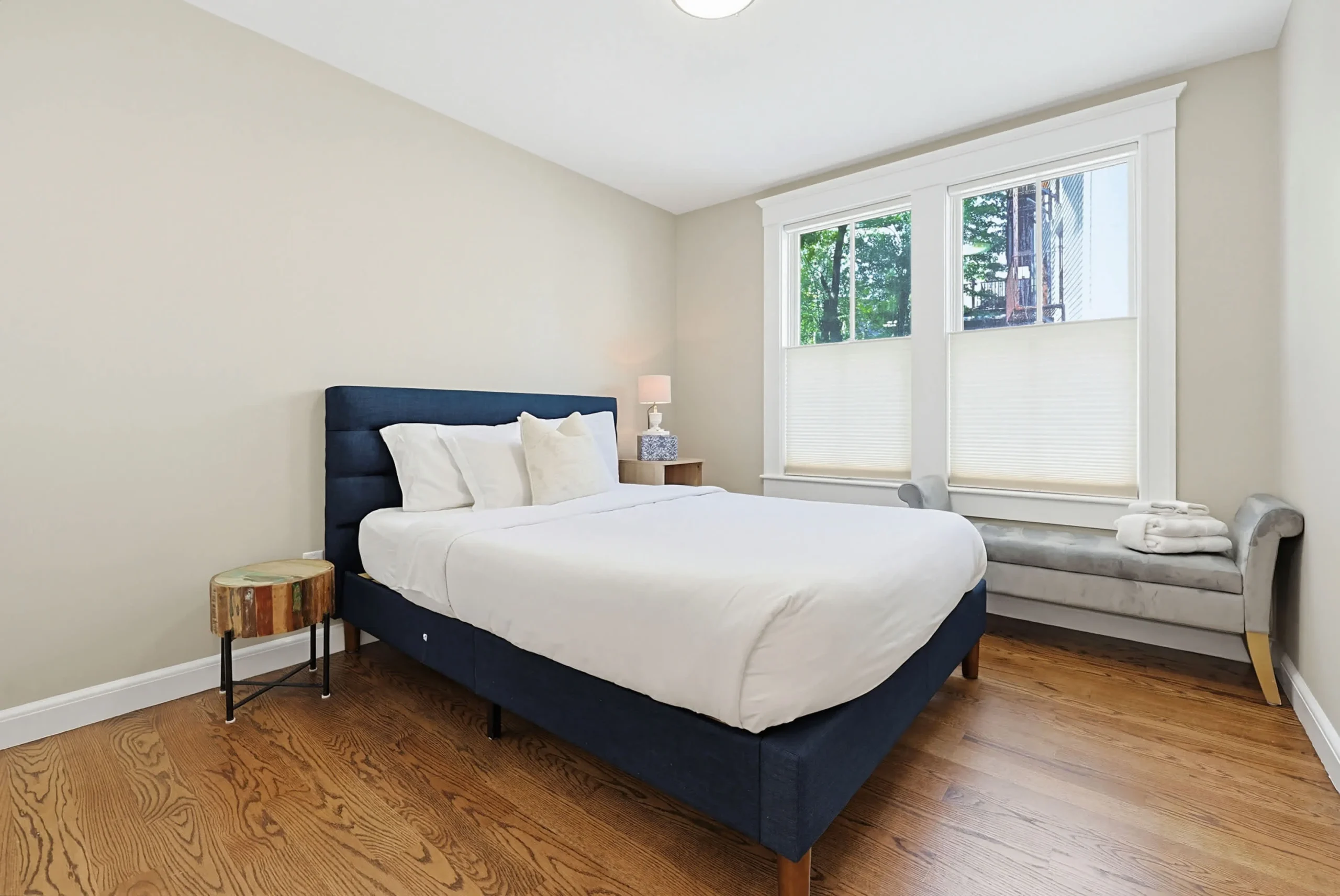
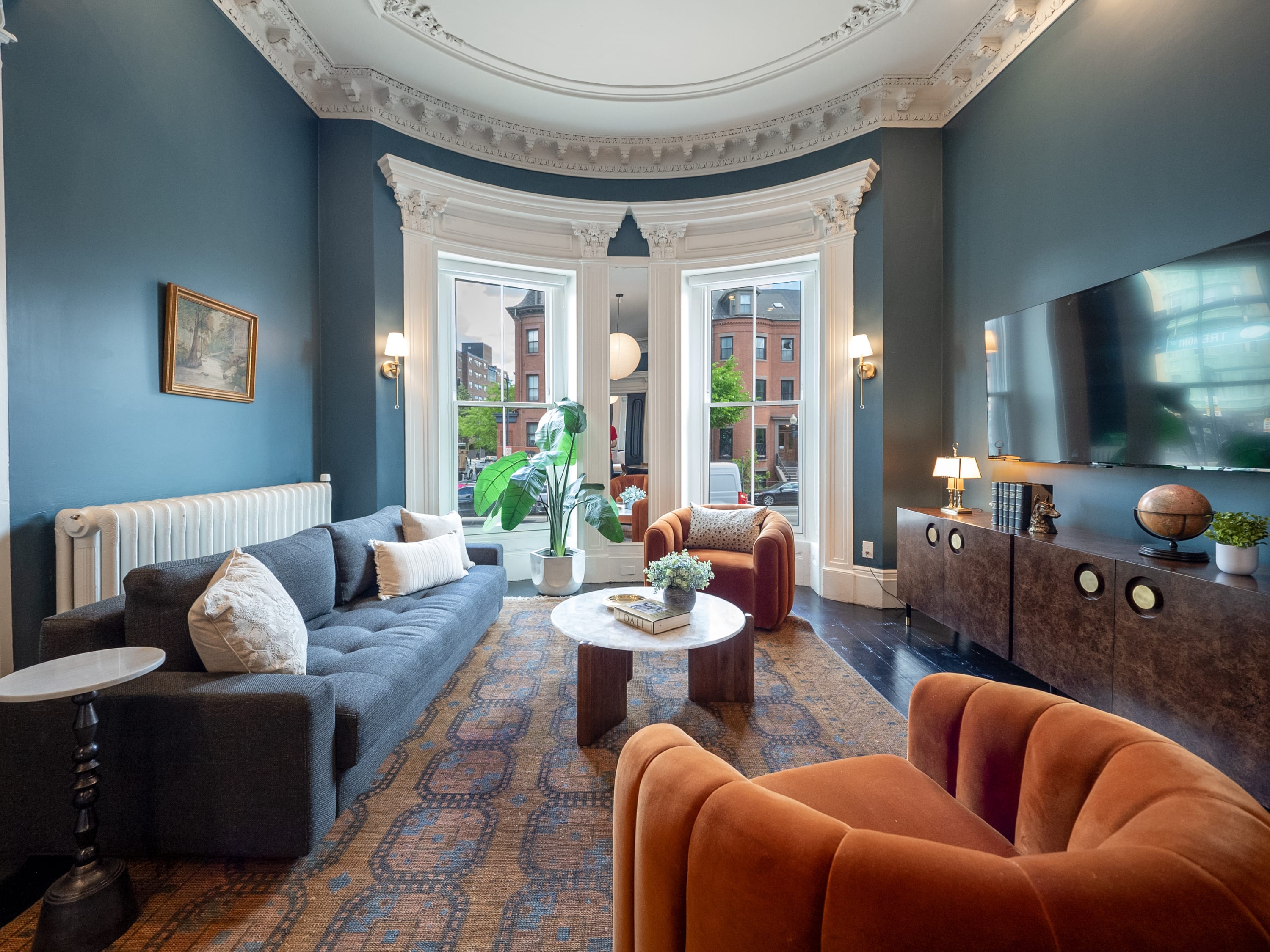
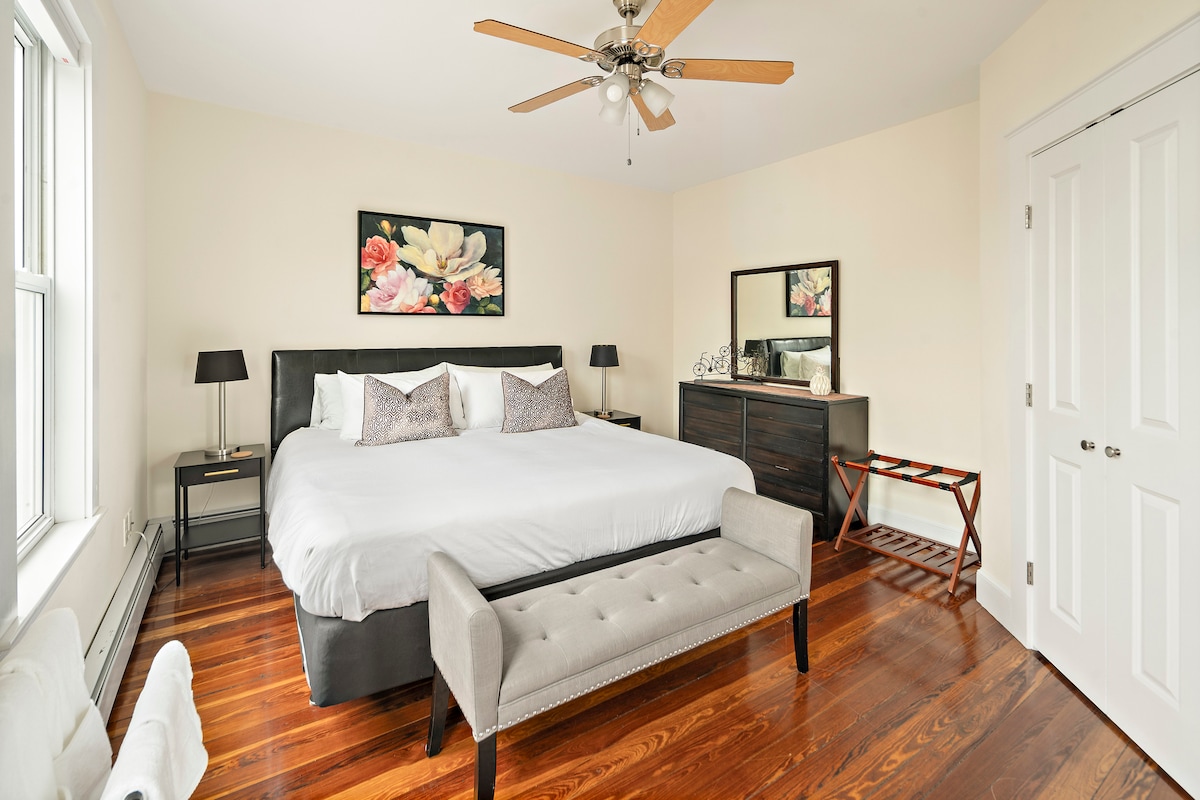
To see how a managed Cambridge unit presents to guests, Inviting 3BR In Cambridge, Walk To T & Central Sq sits about 0.8 miles from Harvard Square. Check availability here.
Content powered by inkSTR.co